Song Meaning
The lyrics present a stark, almost apocalyptic invitation to the "unfaithful," beckoning them to a "cradle of impiety" to lay their "impure heads." This opening immediately establishes a tone of grim judgment and decay, suggesting a world steeped in corruption and moral rot. The narrator seems to be addressing a group perceived as morally bankrupt, offering them a place within this desolation, perhaps as a final reckoning or a perverse form of sanctuary. The imagery is visceral, painting a picture of a world past redemption.
The central tension arises from a violent dichotomy: a call to action versus an overwhelming sense of despair and impending doom. Phrases like "Some blood shall spill" and the contemplation of cremation for those who "died from all the hate" highlight a world consumed by conflict and destruction. The narrator grapples with the "execrable aggregate / That nurtures the corrupt," questioning how to deal with such pervasive rot. This internal conflict is amplified by the invocation of religious and historical imagery, such as "cathar kiss" and "mahometic effigies," suggesting a deep-seated ideological or religious struggle.
A striking element is the infusion of French phrases, particularly the quote about "Le temps entre chien et loup" (the time between dog and wolf, twilight) and the subsequent call to action. This linguistic shift introduces a sense of historical weight and perhaps a personal connection to a struggle for national or ideological identity. The narrator rejects passive submission, declaring "Jamais!" (Never!) to bowing or crawling before "loathsome effigies." This defiant stance, juxtaposed with the earlier imagery of decay, creates a powerful contrast between resignation and a fierce, albeit desperate, will to resist.
The lyrics' effectiveness lies in their unflinching portrayal of a world consumed by hate and corruption, coupled with a defiant, almost fatalistic, call to arms. The narrator doesn't offer solace but rather a confrontation with the grim reality, using sharp, unforgiving language. The repeated phrase "I know I saw you there," appearing after descriptions of "houses of fire" and "killing grounds," grounds the abstract horror in a personal, albeit chilling, recognition, suggesting that the pervasive hatred is not just an abstract concept but a witnessed, lived experience.
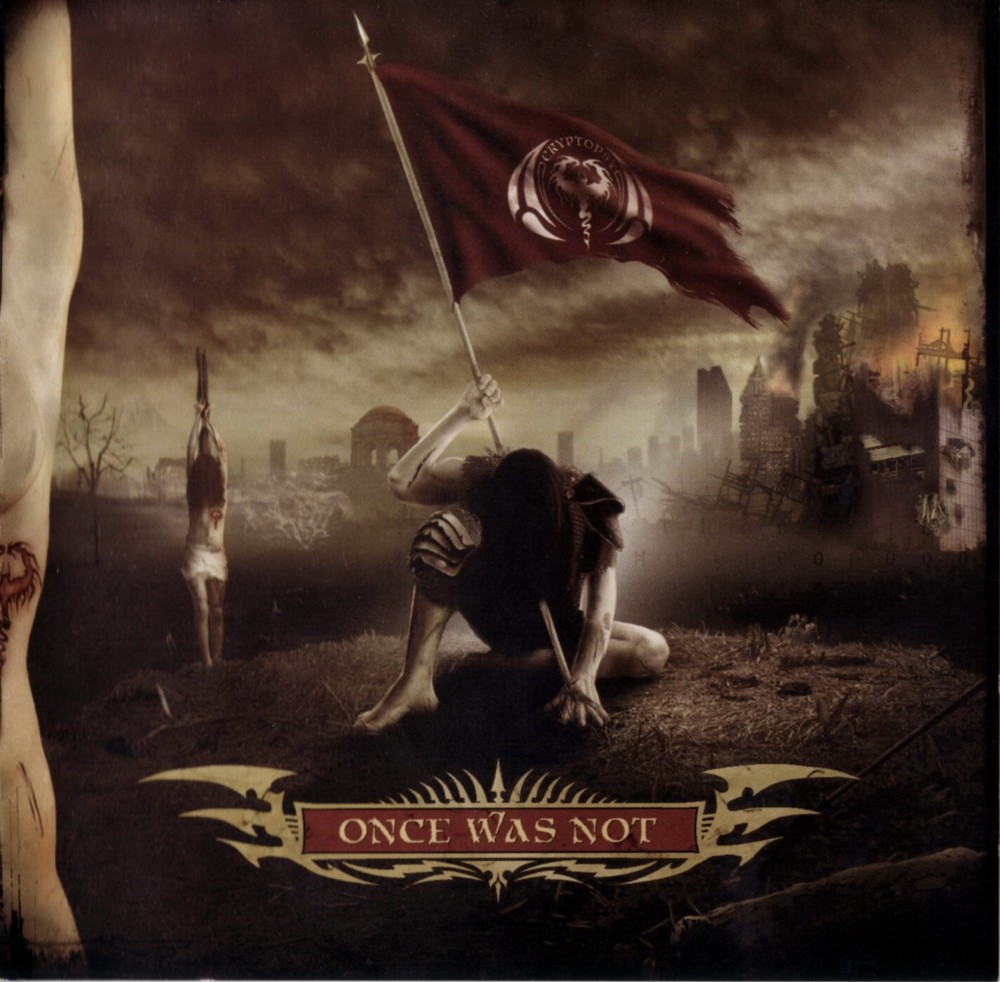
 View Artist