Song Meaning
This song paints a vivid picture of longing and regret, centered on a desire for a lost connection. The narrator opens with a simple, almost desperate wish: "Da je samo malo sreće" (If there were just a little luck). This sets the stage for a yearning to reclaim a single evening with a loved one, an experience so potent it would inspire a reckless, all-consuming devotion – "Ne bi' stao, samo bi' te ljubio" (I wouldn't stop, I'd just kiss you). The immediate emotional texture is one of profound absence and a yearning for a past moment.
The core tension arises from the narrator's perception of love as a fickle, untrustworthy force. "Ljubav je bekrija stara, laže i vara" (Love is an old drunkard, it lies and deceives) is a striking personification that captures love's capricious nature. It's described as sometimes nurturing, sometimes neglectful, and often deceptive. This contrasts sharply with the narrator's own steadfast desire, highlighting a painful imbalance where their need – "Ti mi trebaš, ti mi jako trebaš" (I need you, I really need you) – feels unreciprocated, leaving them with no reason to return to a life that once held meaning.
The most compelling lyrical device is the series of similes used to describe the narrator's sorrow. The weeping eyes are compared to "glas iz daljine" (a voice from afar), "vode sa planine" (water from the mountain), and poignant images of "prošlog maja nad Beogradom" (last May over Belgrade) and "momci krenu u vojnike" (boys going off as soldiers). These comparisons evoke a sense of distance, natural forces, and the bittersweet ache of memory and separation, particularly the last image, which carries a heavy weight of potential loss and finality. It's a powerful way to convey the depth and pervasive nature of their sadness.
Ultimately, the lyrics resonate because they articulate a universal feeling of what-ifs and the pain of unfulfilled desire. The narrator's regret isn't just about a lost love, but about the perceived betrayal by love itself, which is depicted as unreliable. The specific, evocative imagery, especially the soldiers and the May in Belgrade, grounds the abstract pain in concrete, emotionally charged scenes, making the narrator's profound sadness feel palpable and deeply personal.
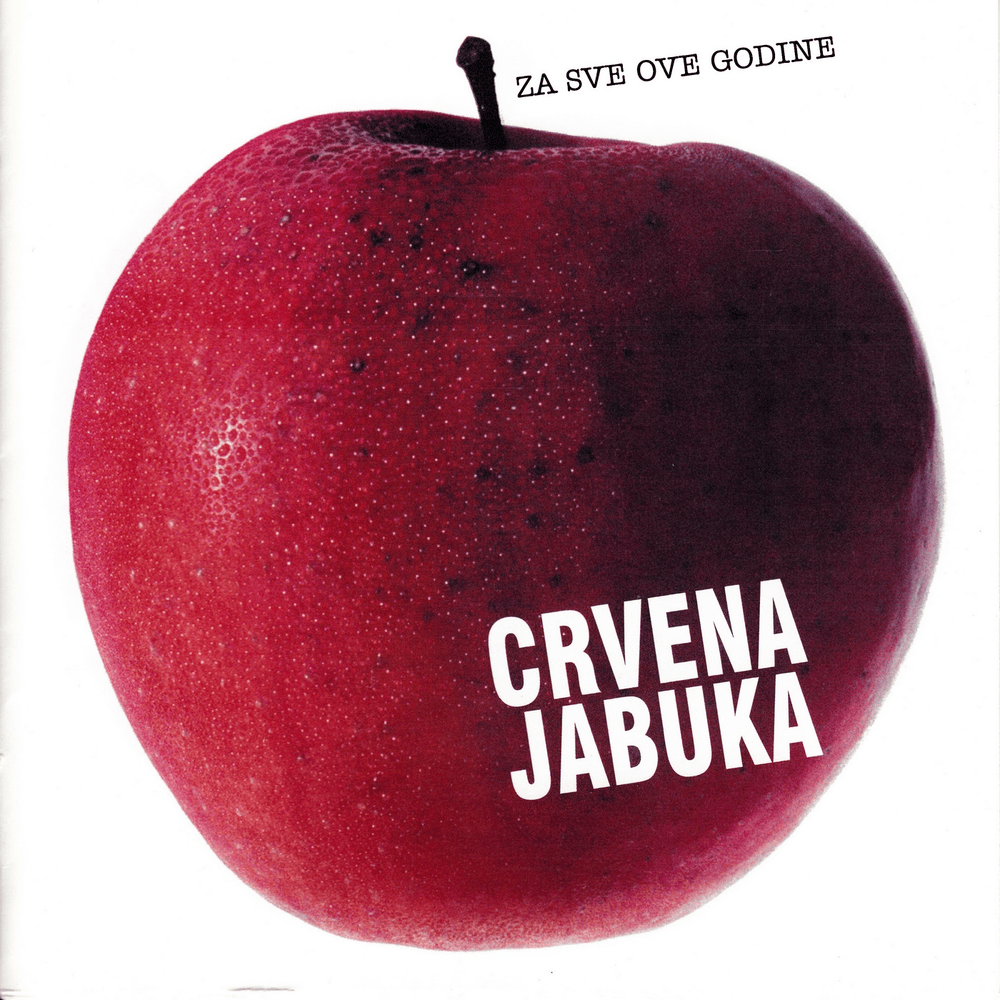
 View Artist