Song Meaning
The lyrics paint a picture of generational wisdom and the complex, often unspoken, burdens passed down. The opening lines establish a need for a personal code for those navigating life's journey, suggesting that the past is a transient thing, a farewell to what was. This sets up the core directive: "Teach your children well." It’s a plea to impart values and dreams, acknowledging that the choices children make will ultimately define them and, by extension, the legacy of their parents.
The central tension arises from the unspoken pain and experience of the elders. The narrator advises against asking children "why," hinting that their innocent perspective might reveal a truth too painful for the parents to bear – a truth that would make them cry. This implies a deep-seated suffering or a difficult past that the parents have endured, a "father's hell" or "children's hell" that has "slowly go by." The sigh and the assurance of love suggest a resignation and a profound, perhaps melancholic, acceptance of this dynamic.
A striking element is the inversion of the teaching dynamic in the second half. The plea shifts to "Teach your parents well," asking the young to share their "youth" and help their elders find the "truth." This highlights a mutual dependence and a recognition that each generation holds something vital for the other. The lyrics suggest that the elders' fears are rooted in their past experiences, while the youth possess an unburdened perspective needed to build a future world. The repeated phrase "The one they pick's the one you'll know by" underscores the idea that identity and legacy are forged through individual choices, a concept applicable to both parent and child.
Ultimately, the effectiveness of these lyrics lies in their gentle, almost melancholic, portrayal of intergenerational connection and responsibility. The advice to "feed them on your dreams" and to "teach your children well" is not about control, but about offering guidance and hope. The acknowledgment of unspoken pain and the plea for mutual teaching create a poignant sense of shared humanity, where love and understanding are the enduring forces that bridge the gap between past, present, and future.
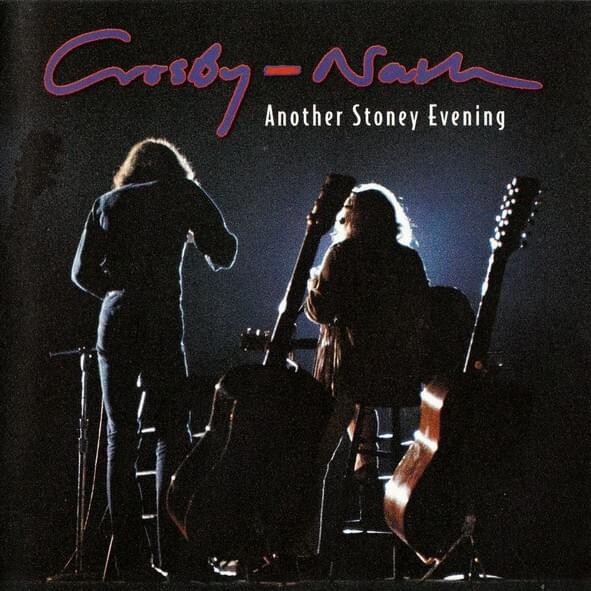
 View Artist