Song Meaning
The lyrics paint a picture of a narrator fixated on a figure named Guinevere, drawing immediate parallels between her and a "m'lady." The opening stanza establishes a serene, almost idyllic scene: green eyes, a garden after rain, wandering peacocks, and an orange tree. Yet, this beauty is tinged with the narrator's longing, encapsulated in the poignant question, "Why can't she see me?" This sets up a core tension between an observed, almost idealized past and the narrator's present invisibility.
The second stanza introduces a darker, more mysterious element: Guinevere drawing pentagrams late at night, suggesting a hidden, perhaps occult, aspect to her personality or desires. The repetition of "Like yours, m'lady, like yours" continues to link Guinevere directly to this "m'lady," blurring their identities or implying Guinevere is a projection or a past version of the "m'lady." The desire for freedom, "She shall be free," hints at an internal struggle or a yearning for escape that the narrator observes.
The narrator's own position is clarified in the third stanza, anchored "Anchored" in a harbor, observing Guinevere's movement "down the slope." This physical distance and immobility contrast sharply with Guinevere's implied freedom and the narrator's own desire for it. The phrase "such a short day" might reflect the fleeting nature of the moments he observes or the brevity of his own perceived connection.
The final stanza brings in another physical attribute, golden hair, again linking it to the "m'lady." The image of riding through the wind by the bay "yesterday" evokes a shared past, a moment of potential connection that is now gone. The narrator's "silent harmony" and the circling seagulls create a sense of enduring, yet unfulfilled, observation. The final line, "We both shall be free," echoes Guinevere's earlier "She shall be free," but now includes the narrator, suggesting a shared, albeit perhaps imagined, hope for liberation that stems from this complex, unrequited fixation.
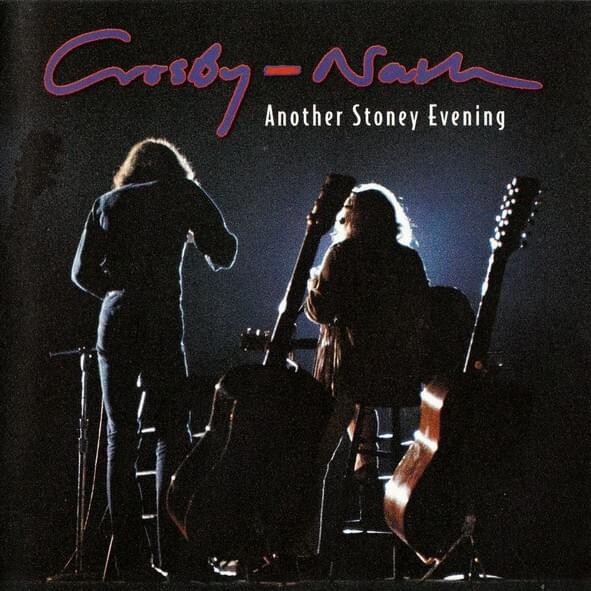
 View Artist