Song Meaning
The lyrics paint a stark picture of a migrant worker's existence, defined by relentless labor and a desperate plea for basic dignity. The opening lines immediately establish a transactional, unfeeling relationship: the narrator toils, providing sustenance, yet their personal feelings are irrelevant. This sets the stage for a narrative where the worker's humanity is constantly overlooked, reduced to their function in the fields. The core of the struggle is encapsulated in the simple, repeated demand: "Treat me like a human."
The central tension arises from the stark contrast between the worker's contribution and their treatment. They crossed a border specifically to work, offering their labor and effort, yet they are met with indifference and even violence. The lyrics suggest a betrayal of trust, where promises of being allowed to stay are juxtaposed with being targeted during a protest. This highlights a profound injustice: the very people who sustain the economy are treated as disposable and dangerous.
The most striking aspect is the powerful imagery of fighting for someone else's freedom with a tool of labor. The narrator is "fighting for your freedom with a hoe in your hand," a phrase that underscores the absurdity and cruelty of their situation. They are essential to the prosperity and functioning of the country, yet they are denied the very freedoms they help secure. The repetition of "Fieldworker, fieldworker" serves as both an identity and a lament, a constant reminder of their marginalized status.
Ultimately, these lyrics resonate because they articulate a profound sense of alienation and exploitation. The raw, direct language avoids embellishment, focusing on the unvarnished reality of the worker's experience. The effectiveness lies in its ability to make the listener confront the human cost of labor that is often invisible, forcing a recognition of the simple, yet fundamental, right to be treated with respect.
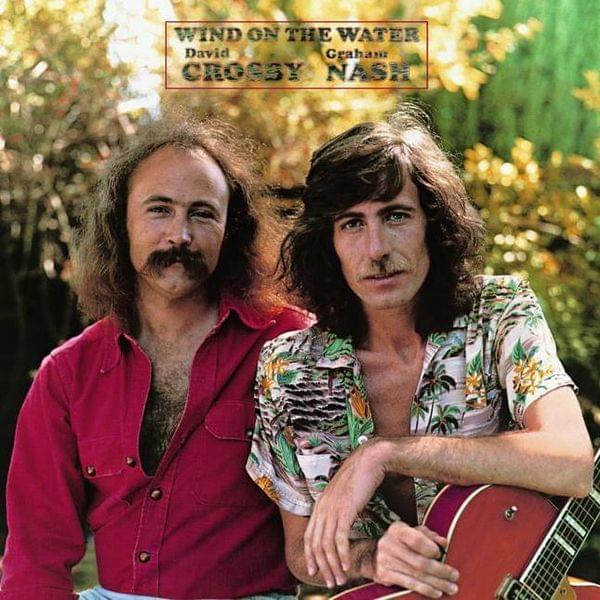
 View Artist