Song Meaning
The lyrics paint a stark picture of a soul caught between an unyielding "truth" and a fragile "love." This isn't a gentle dilemma; it's a dramatic precipice. The narrator sees truth as an insurmountable cliff and love as something perilously close to snapping. This sets up a profound sense of paralysis, embodied by a "climber who cannot find his eyes," unable to navigate either path. The desperation is palpable with a "falling woman wishing she was dead," highlighting the extreme emotional cost of this internal conflict.
The central tension revolves around the agonizing question, "why is it always bittersweet?" This isn't just sadness; it's a specific kind of pain that arises from the presence of both good and bad, or the potential for both. The narrator craves warmth and clarity, needing "the sun's heat," but finds themselves perpetually in "broken cloudy days." This cyclical despair suggests a fundamental inability to escape this dualistic suffering, no matter the direction of desire.
The most striking aspect is the imagery of the climber and the falling woman, stark contrasts that amplify the feeling of being trapped. One is stuck, unable to see the way forward, while the other is actively descending into despair. The repetition of "I need the heat, oh both ways" underscores the paradox: the desire for relief is so intense it exists regardless of which side of the dilemma is being faced, yet relief remains elusive.
Ultimately, the effectiveness of these lyrics lies in their raw, almost brutal honesty about emotional paralysis. The stark, high-stakes imagery and the insistent, questioning refrain create a powerful sense of inescapable anguish. It’s the feeling of wanting something desperately, needing its opposite just as much, and finding only a painful, gray middle ground.
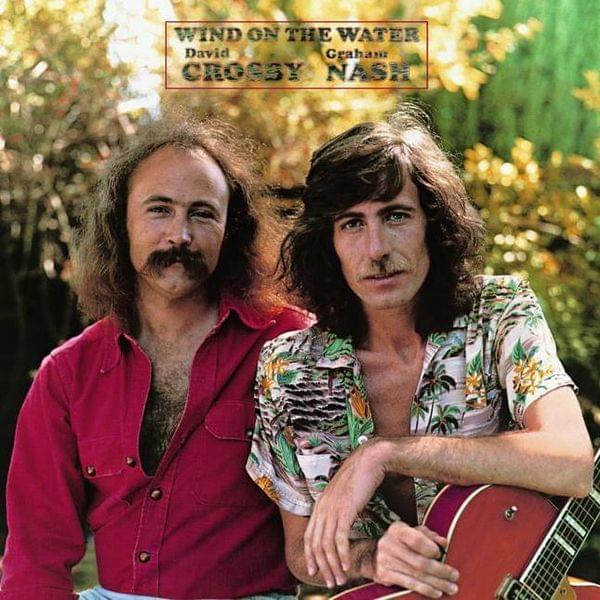
 View Artist