Song Meaning
The lyrics paint a stark picture of a world where direct action, or "street justice," is the only recourse. The narrator rejects verbal negotiation, stating, "Won't try to talk my way out / Don't try to play those speech games anymore." This suggests a profound disillusionment with dialogue, implying that words have lost their power or are insufficient to address the perceived injustices. The repeated phrase "Overpower-Overcome" underscores a brutal, binary logic where dominance is the only outcome.
The central tension lies in the narrator's insistence on the validity of this "street justice," proclaiming, "Can't you see that I'm not wrong." This is juxtaposed with a defiant, almost pleading, "Can't you see / Street justice for you and me." The repetition of "Street Justice" throughout the track acts as a mantra, reinforcing its inevitability and perhaps its perceived legitimacy in the narrator's eyes, even as it sounds like a desperate assertion.
The most striking craft element is the relentless repetition of "Street Justice," transforming it from a concept into an overwhelming presence. This sonic insistence mirrors the lyrical theme of inescapable, forceful resolution. The lines "If it really doesn't matter why do you care? / Don't turn around if it's not your affair" highlight a cynical detachment, suggesting that those not directly involved should remain bystanders, further isolating the struggle and reinforcing the need for immediate, unmediated action.
This writing is effective because it captures a raw, uncompromising perspective. The lack of nuance and the aggressive, declarative tone create a sense of urgent finality. The lyrics don't seek to persuade with complex arguments but rather to impose a worldview through sheer force of assertion, mirroring the very "street justice" it champions. The emotional impact comes from this unyielding, almost primal, declaration of a harsh reality.
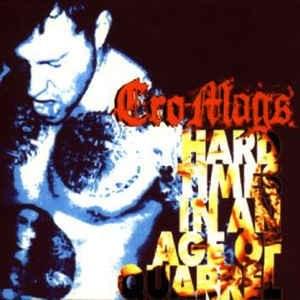
 View Artist