Song Meaning
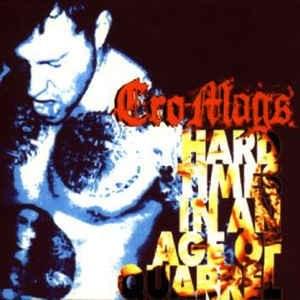
The lyrics paint a grim picture of a world drowning in its own destructive tendencies, labeling it an "iron age of hypocrisy." The narrator observes a continuous war waged against the vulnerable, driven not by noble causes but by sheer greed. This relentless conflict is palpable, described with visceral imagery like "bodies burning" and the "taste of death in the air," suggesting a pervasive sense of decay and suffering.
The central tension arises from the narrator's bewildered observation of this societal breakdown. They question the purpose behind the "mad scientist experiment in torture and in pain," and the benefit derived from "polluting creation." This bewilderment escalates into a stark catalog of urban decay seen from a window: "Junkies, gangs and rape and poverty." The narrator feels a profound disconnect from the prevailing order, noting a "modern age so full of grief" and a society that "digress[es]."
The most striking aspect of the writing is its direct, almost blunt, condemnation of modern society's failings. There's no room for subtlety; the lyrics present a stark dichotomy between the natural order and humanity's "interfer[ence] with nature's plan." The repeated questioning – "Can't you smell," "Can you tell me," "Don't you see" – emphasizes a desperate plea for awareness and a shared recognition of the dire circumstances. The narrator's eventual call to action, "Now's the time we must change our course," transforms personal disillusionment into a collective imperative.
This raw, unvarnished critique is what makes the lyrics hit so hard. They bypass complex metaphors for a direct assault on the senses and conscience, forcing the listener to confront the unpleasant realities described. The shift from passive observation to active defiance, urging "those of us who've seen the way" to "stand and fight," offers a sliver of hope amidst the overwhelming despair, making the message resonate as a call to arms against perceived societal rot.
 View Artist