Song Meaning
This song paints a picture of absolute devotion, where one person is the sole source of the narrator's emotional and mental landscape. The lyrics repeatedly emphasize an unparalleled connection, suggesting that only this specific individual truly understands the narrator's inner world. This deep recognition is presented as the primary reason for the narrator's profound love and inability to think of anyone else. The intensity of this focus blurs the narrator's sense of self and action, leading to a feeling of being consumed by the object of their affection.
The central tension lies in the overwhelming power this person holds over the narrator's thoughts and feelings. Phrases like "te metes en mis pensamientos" (you get into my thoughts) and "ya no sé lo que hago" (I no longer know what I'm doing) highlight a loss of control, a willing surrender to this influence. The narrator feels "esclavo de tu piel y tu alegria" (slave to your skin and your joy), indicating a complete subjugation, yet this is framed not as a negative, but as the very essence of their experience and the reason for their love.
The recurring motif of "solo tú" (only you) acts as a powerful anchor, driving home the exclusivity of this bond. This repetition underscores the idea that no one else can evoke these specific feelings or provide this sense of completeness. The lyrics suggest that this person "me ves por dentro" (sees me from the inside), implying an intimate knowledge that fuels the narrator's adoration and the feeling of being "llenas todo dentro de mí" (you fill everything inside me). This singular focus creates a world where only this relationship matters.
Ultimately, the effectiveness of these lyrics stems from their unvarnished portrayal of intense, almost obsessive love. The narrator's complete immersion and the feeling of being utterly known and filled by another person create a potent emotional resonance. The writing doesn't shy away from the idea of surrender, presenting it as the ultimate expression of love and fulfillment, making the narrator's devotion feel both absolute and deeply personal.
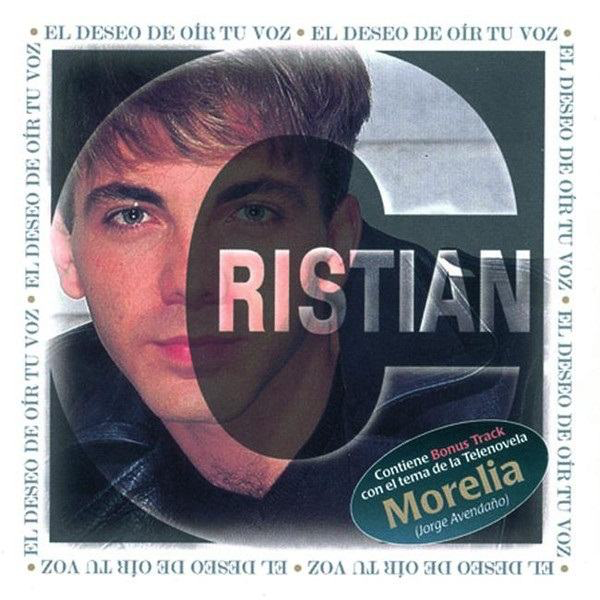
 View Artist