Song Meaning
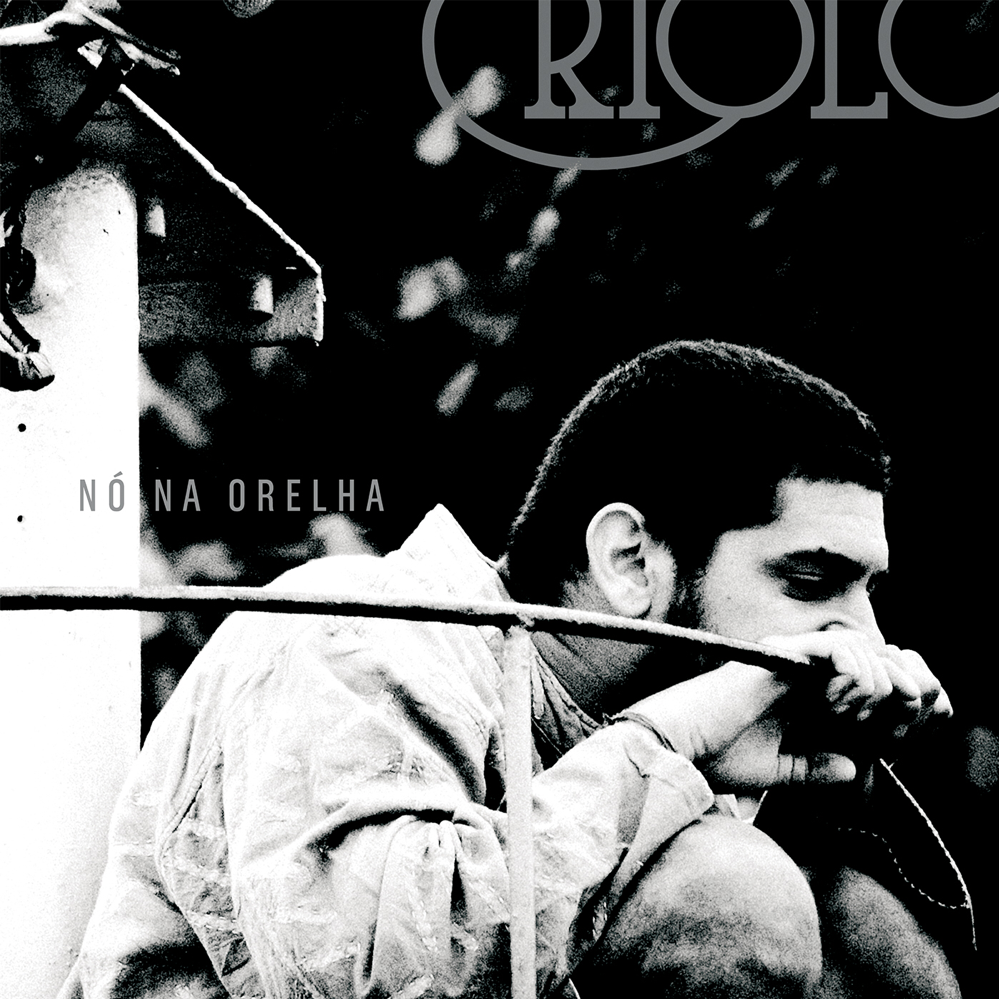
The lyrics paint a stark picture of a harsh urban reality, contrasting it with childhood innocence. The opening line, "O nó da tua orelha ainda dói em mim," immediately establishes a lingering pain, a personal hurt that hasn't faded. This is juxtaposed with a coded message from "Cebolinha" about "pãezinhos" to be enjoyed, hinting at a hidden world or a specific context where simple pleasures are anticipated amidst hardship. The narrator observes that "essa padaria nunca vendeu pão," a powerful metaphor suggesting that this environment has never offered genuine sustenance or legitimate opportunity, only the illusion of it.
The central tension lies in the struggle for survival on "a linha de frente," the front line. The lyrics state, "Tem pouca gente na fronteira, então é só chegar," implying a vulnerable position where threats can easily infiltrate. This precariousness is amplified by the idea that "O dinheiro vem pra confundir o amor," suggesting that financial gain corrupts genuine connection and perhaps fuels the very conflicts faced. The reference to "Turma Da Mônica do asfalto" and "Cascão é rei do morro" grounds this struggle in a specific, gritty urban landscape, where even cartoonish characters are recontextualized as figures of power and danger in a volatile setting.
The most striking craft element is the reappropriation of familiar children's characters from "Turma Da Mônica" into a harsh, adult world. Characters like Cebolinha, Magali, and Cascão, usually associated with lighthearted adventures, are now part of a narrative about survival, scarcity, and conflict. This creates a profound sense of irony and loss, highlighting how innocence is eroded or corrupted by the environment. The "chapa esquenta fácil" in this asphalt jungle, a direct contrast to the carefree world these characters usually inhabit.
Ultimately, these lyrics resonate because they articulate the immense pressure on those at the "linha de frente." The refrain, "Quem tá na linha de frente / Não pode amarelar," is a call for resilience, a demand to stand firm despite the overwhelming challenges. Yet, it's immediately followed by "O sorriso inocente / Das crianças de lá," a poignant reminder of what is at stake and what is being protected, or perhaps, what has been lost. The writing effectively uses familiar imagery to underscore the brutal realities faced by those on the margins.
 View Artist