Song Meaning
The lyrics paint a picture of a young adult grappling with the perceived emptiness of their current life and the daunting prospect of a future that feels predetermined. The narrator notes a shift from idle complaints about music to a more profound silence, suggesting a dawning realization that perhaps there's nothing substantial left to say when inspiration feels absent. This feeling of stagnation is amplified by the image of being "sitting in a basement," a metaphor for a lack of progress and wasted potential, a sentiment the narrator admits to sharing.
The central tension lies in the contrast between the desire for "glory" and the reality of "vacancy." The narrator questions when life truly began, feeling defined by "limited income and even less experience." There's a palpable weariness with the repetitive nature of their days, leading to the dramatic declaration, "This is the last time you'll see the likes of me." This suggests a desire to break free from the cycle, even as the allure of familiar, perhaps parental, patterns looms.
The most striking craft element is the recurring phrase "How could anyone have anything to say?" paired with "vacant day after day." This repetition underscores a deep sense of existential ennui and a fear that a life lived without significant events or experiences renders one speechless. The narrator explicitly rejects the idea of playing "the part of the youngest has-been," choosing instead to confront the "impending glory" of adulthood, even if it means mirroring their parents' choices and settling into a life of comfortable, albeit uninspired, routine. The final lines, "I'm worth my weight in the glory of yesterday / Worth my weight in vacancy," powerfully encapsulate this internal conflict, suggesting a value placed on past potential or perceived past glories, yet ultimately finding oneself defined by present emptiness.
These lyrics resonate because they articulate a specific, yet widely felt, anxiety about the transition into adulthood. The writing doesn't offer easy answers but instead captures the uncomfortable silence that follows the realization that youthful idealism might be giving way to a more mundane reality. The effectiveness comes from the raw honesty of admitting shared feelings of stagnation and the stark imagery used to describe a life perceived as lacking substance, making the impending, yet unglamorous, future feel both inevitable and deeply unsettling.
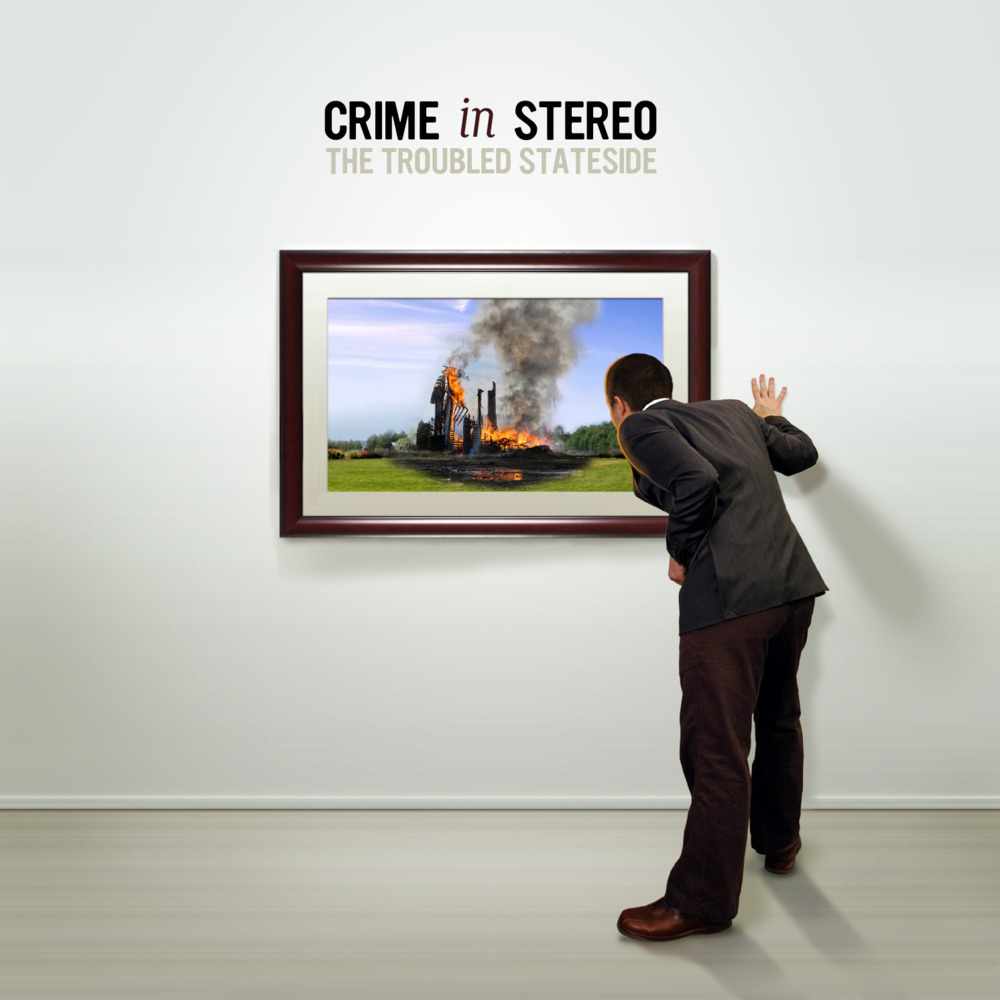
 View Artist