Song Meaning
The lyrics paint a bleak picture of national pride curdled into something grotesque. What were once cherished memories are now tainted, seen through the lens of a nation's destructive output – "spent shell casings." This immediate shift from personal joy to national decay sets a tone of profound disillusionment. The narrator sees a pattern of abandonment, comparing the nation's current trajectory to those suffering from "drugs and poverty," suggesting a cycle of neglect and exploitation.
The central tension arises from the disconnect between the supposed collective good and the reality of individual suffering and systemic injustice. The narrator questions the "support" for a cause that claims to be "for us all," directly challenging the rhetoric of national unity. The accusation of "imperialism" is blunt, cutting through any pretense of benevolent action and highlighting the self-serving nature of nationalistic pursuits. This isn't about shared progress; it's about power and control.
The most striking craft element is the narrator's hypothetical scenario: arming themselves with a bullet for every estranged child they know. This isn't a literal threat of violence, but a powerful, visceral metaphor for the overwhelming personal cost of nationalistic conflicts and societal failures. It transforms abstract geopolitical issues into a deeply personal inventory of broken connections and lost potential, suggesting that the "wars" fought abroad are mirrored by internal fractures.
This writing hits hard because it grounds grand, often abstract, concepts like nationalism and imperialism in tangible, heartbreaking details. The contrast between the grand pronouncements of national purpose and the intimate pain of fractured families creates a potent emotional resonance. The narrator's sarcastic litany of self-sufficient actions – "procure oil myself," "connect pipelines by myself" – underscores the hollowness of a national project that leaves individuals feeling isolated and capable of achieving more on their own than their nation does collectively.
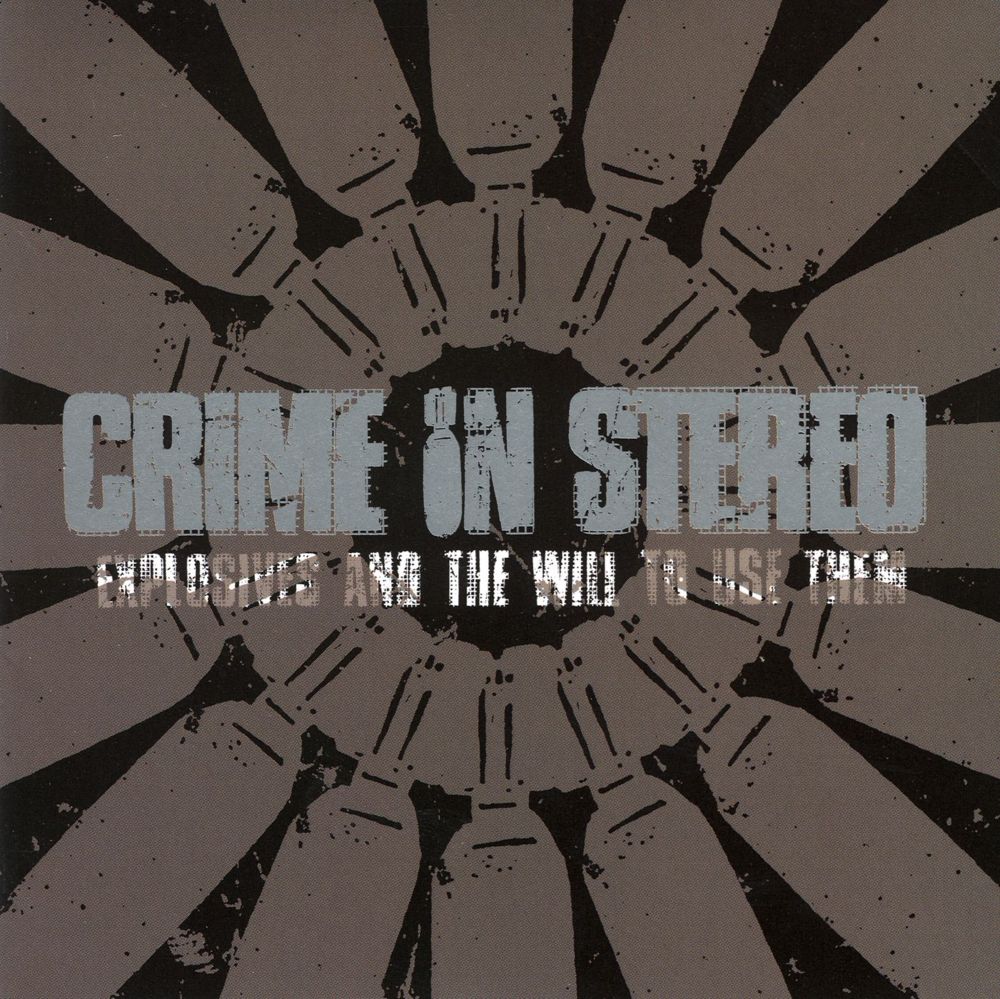
 View Artist