Song Meaning
The lyrics paint a stark picture of a system that fails those in need, particularly concerning healthcare and housing. The narrator directly addresses an unnamed "you," suggesting a profound disappointment and anger that well-intentioned actions or policies have led to worse outcomes. The opening lines lament the loss of simple dreams like homeownership, now seemingly out of reach due to a "30 year mortgage," implying economic hardship is a direct consequence of this "you" not leaving things "well enough alone." The core grievance is the failure to maintain health and the forced, grueling labor as the only means of survival.
The central tension arises from the conflict between the right to a dignified life and the harsh realities of a system that commodifies care and survival. The narrator questions the value of enduring pain if it leads to a life of desperate labor or a slow decline, stating "We all deserve the right to die for something." This suggests a yearning for purpose or meaning, even in suffering, which is denied by the current circumstances. The lyrics then pivot to a cynical view of "stasis with a gracious smile" and question if affordability is the true basis for care, leading to the bleak prospect of a "public ward."
The most striking craft element is the repeated, almost defiant question, "So what if it hurts?" This refrain underscores a profound sense of resignation and anger, challenging the listener and the addressed "you" to confront the pain inherent in the system. It’s not an invitation to embrace suffering, but a bitter acknowledgment that pain is unavoidable and perhaps even a prerequisite for any semblance of dignity or worth in this environment. The contrast between the desire for health and homeownership and the reality of "work our fingers to the bone" highlights the economic and physical toll.
These lyrics resonate because they articulate a deep-seated frustration with societal structures that prioritize profit or indifference over human well-being. The direct address and the raw, unvarnished language create an immediate emotional impact, forcing a confrontation with the idea that basic needs like health and security are conditional. The closing lines, questioning what is truly deserved in a state of "broken faith," leave the listener with a lingering sense of disillusionment and the profound injustice of a system that seems to offer little solace or hope.
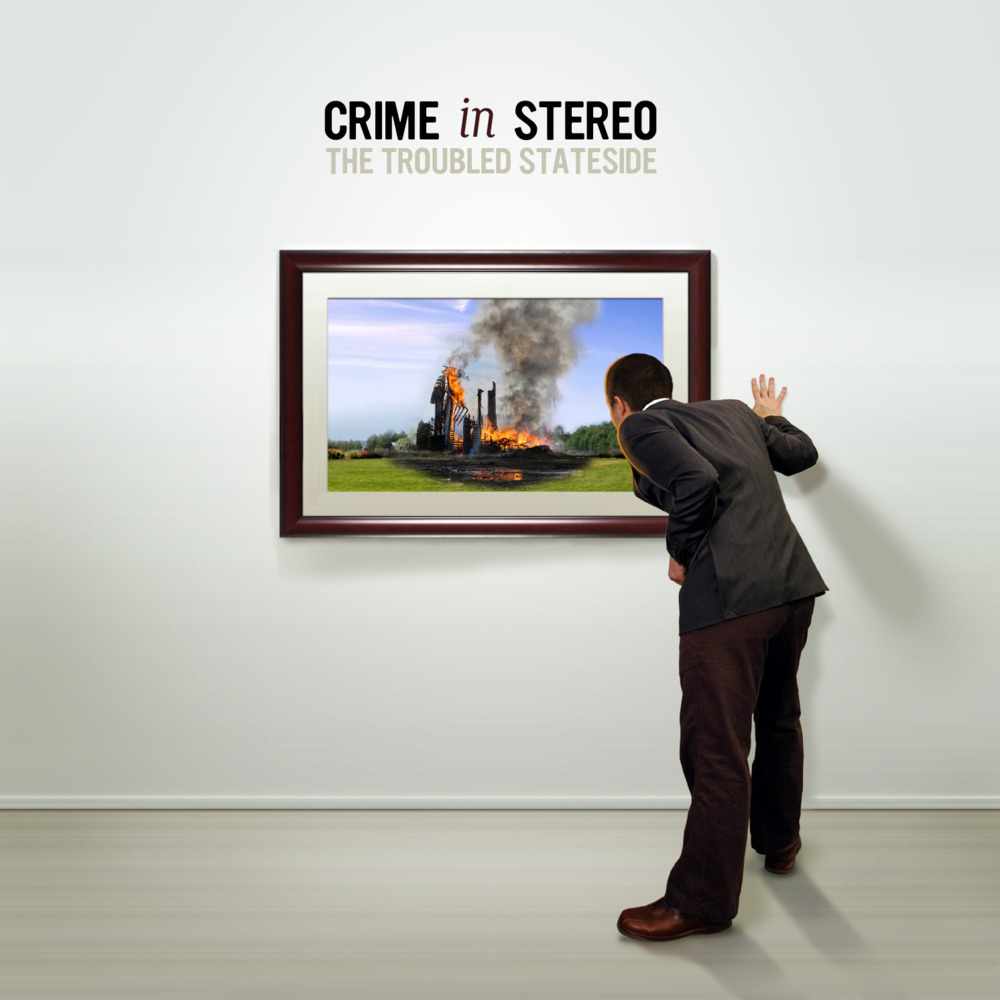
 View Artist