Song Meaning
The lyrics paint a stark picture of profound isolation and self-recrimination. The opening lines immediately establish a tone of deep despair, with "loneliness in the darkest hour" setting a somber mood. The repeated pleas, "Don't speak with me," "Don't bleed for me," and "Don't pray for me," suggest a rejection of external comfort or intervention, emphasizing a desire to face this internal struggle alone. This creates an immediate sense of a speaker trapped within their own suffering.
The central tension arises from a perceived state of "lost domination" and "blind isolation," juxtaposed with a profound sense of personal failing. The narrator acknowledges wounding the world, wasting time, and even killing their own life, framing these actions as unforgivable sins. This internal conflict between past actions and the present state of despair fuels the overwhelming sense of "miseration" and fear.
The repeated phrase "Inglorious darkness" acts as a powerful, almost incantatory refrain, solidifying the speaker's self-perception. It’s not just darkness, but a shameful, ignoble one, reflecting a deep-seated self-loathing. The similes used – "endless lake of tears," "burning damnation," "eternal path of fears" – amplify this feeling, presenting an inescapable, agonizing reality that the speaker feels is a direct consequence of their own actions.
Ultimately, the effectiveness of these lyrics lies in their raw, unvarnished portrayal of internal torment. The direct address and stark imagery, devoid of any softening or external context, force the listener to confront the speaker's bleak internal landscape. The cyclical nature of the refrain and the confessions of sin create a sense of being perpetually caught in a self-made hell, making the feeling of "inglorious darkness" palpable and deeply unsettling.
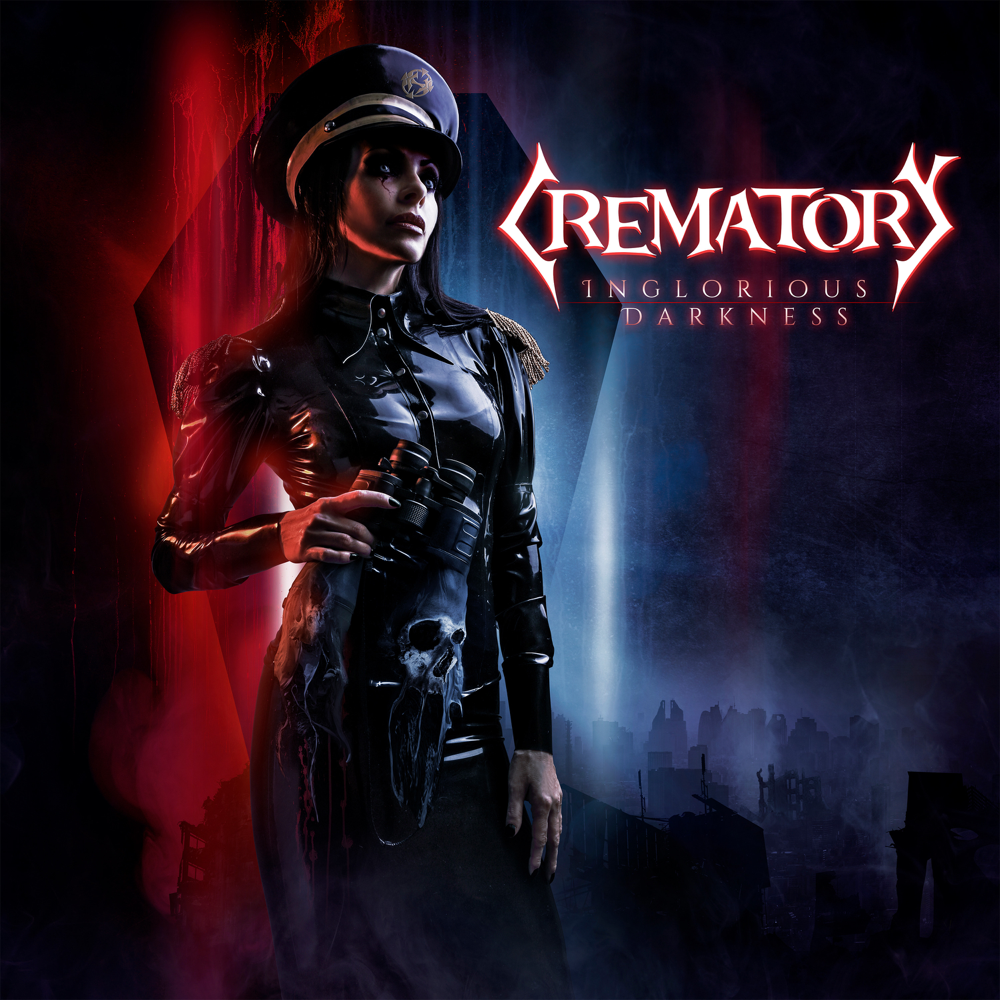
 View Artist