Song Meaning
The lyrics paint a stark picture of internal struggle and the necessity of self-reliance. The opening lines immediately establish a tone of urgent self-accountability, suggesting a critical juncture where external help is absent. The narrator is presented with a grim choice: confront their inner turmoil or descend into a metaphorical 'hell.' This sets up a narrative of battling internal 'symptoms of decline' while desperately seeking clarity or hope on a 'dark road.'
The central tension revolves around the concept of a 'broken halo,' a potent image suggesting a loss of innocence, purity, or divine protection. This brokenness is directly linked to an 'unspoken last will,' implying unfulfilled desires or unresolved issues that haunt the individual. The repeated refrain, 'Your shadows and demons are fading / Welcome back to real life,' offers a glimmer of hope, but it's a hard-won victory, emerging only after acknowledging the internal 'disorder, confusion and disarray' and the 'nameless monster in your head.'
The most striking aspect of the craft is the persistent emphasis on personal responsibility. Phrases like 'you have to help yourself' and 'built by you, not the fault of someone else' hammer home the idea that the narrator is the architect of their own suffering and, crucially, their own salvation. The repetition of 'Crawling in between symptoms of decline' underscores the slow, arduous process of recovery, while the shift from a 'dark road' to an 'endless road long way back in time' suggests a journey not just forward, but also a deep dive into the past to understand the roots of the present struggle.
Ultimately, these lyrics resonate because they articulate the isolating yet empowering nature of overcoming profound internal battles. The 'broken halo' isn't just a symbol of past failure but a testament to survival, a sign that even with imperfections, a return to 'real life' is possible through sheer force of will. The fading 'shadows and demons' signify not an absence of struggle, but a newfound control and acceptance, making the eventual 'welcome back' feel earned and deeply personal.
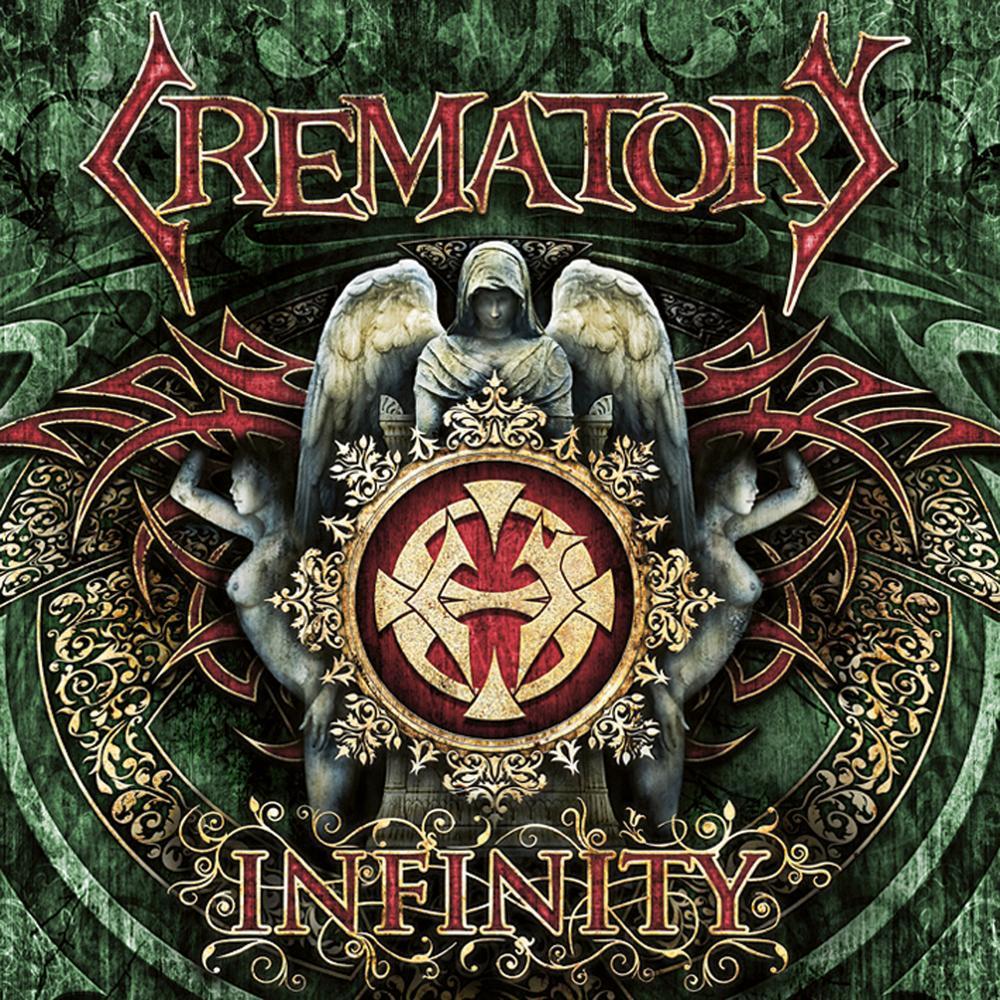
 View Artist