Song Meaning
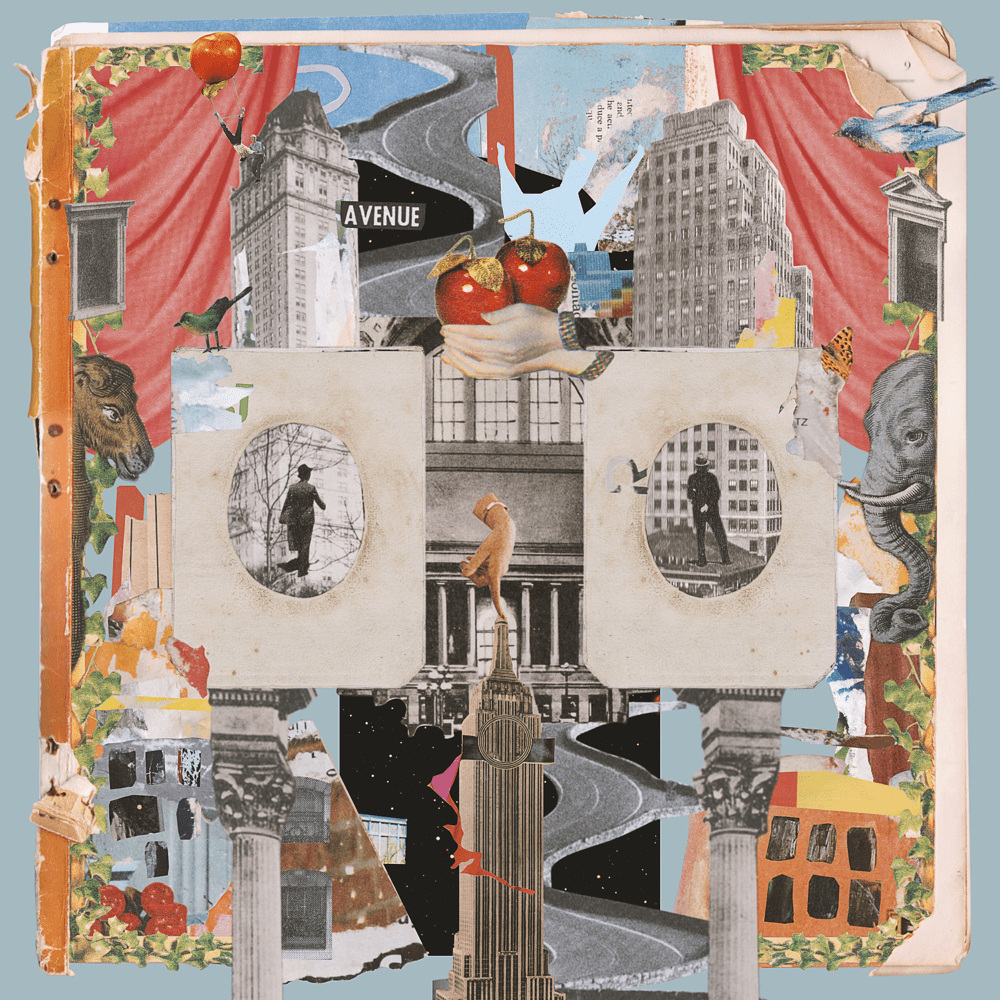
The lyrics paint a picture of a shared transgression, a moment where two people crossed a line together, leading to an immediate, disorienting fall. The opening lines, "あの日林檎の木の下共犯で" (That day, accomplices under the apple tree), evoke a sense of forbidden knowledge or a pact made in a place reminiscent of Eden. This initial act, described as "踏み越えてみた境界線" (tried crossing the boundary line), results in a "black out" and being "chased into this dimension," suggesting a drastic, perhaps irreversible, shift in their reality or state of being. The narrator's disbelief, "俺とした事が" (What have I done?), highlights the unexpected nature of their downfall, even as they deflect blame onto their companion: "君のせいにした" (I blamed you).
The core tension lies in the intoxicating, yet destructive, nature of this shared descent. The pre-chorus phrases, "あっという間、目が醒める" (In a flash, I wake up) followed by "かと思えば空に落ちて行く" (But then I fall from the sky), and later "あっという間染められる" (In a flash, I'm dyed) contrasted with "かと思えば熱が醒めていく" (But then the fever cools), reveal a cycle of fleeting clarity and overwhelming surrender. This push-and-pull is encapsulated in the repeated desire for "もうひと齧り" (one more bite) and "もうひと雫" (one more drop), indicating an addiction to the experience, despite its perilous nature. The act of falling is not a singular event but a continuous, "螺旋状に" (spiral) descent into a "摩天楼" (skyscraper), a modern, urban symbol of ambition and height that is now being fallen from.
The most striking aspect of the craft is the juxtaposition of biblical imagery with modern, almost casual, language of self-destruction and defiance. References to "イチジクの葉" (fig leaves) and "エデン" (Eden) are directly contrasted with "black out," "shut out," and the urban imagery of a "摩天楼." This creates a sense of timeless sin being replayed in a contemporary setting. The idea that "鬼も仏もおんなじ目" (demons and Buddhas have the same eyes) in this new dimension suggests a loss of moral distinction, where all judgment and consequence become blurred. The narrator's embrace of this chaos is evident in "むしろ追い風さ" (it's more like a tailwind), turning perceived shame into momentum.
Ultimately, the lyrics resonate because they capture the allure of shared ruin and the seductive nature of losing oneself, especially with another person. The falling is not just a physical descent but an emotional and psychological one, where the narrator finds a strange comfort and even healing in the process: "いつの間に傷が埋まってく" (Before I knew it, my wounds were filling up). This paradoxical healing within the fall, the "蜜の味" (taste of honey) found in their shared addiction, makes the descent feel less like a punishment and more like a chosen, albeit dangerous, form of liberation. The final lines, "この目が醒めないうちに憑り込んで" (Possess me before these eyes open), underscore the desire to remain lost in this intoxicating state.
 View Artist