Song Meaning
The song opens with a cinematic farewell, the narrator asking to be forgotten as a movie ends. She desires a future that isn't a grand production, just a simple, ordinary existence. This sets a tone of quiet resignation, a wish for normalcy after a difficult experience.
The core of the lyrics lies in the stark contrast between "pain" and "desire to stay." The repeated "it hurts" is a visceral cry, but it's immediately countered by an overwhelming urge to remain, to endure. This internal battle highlights a profound struggle: the physical or emotional agony versus the deep-seated need to belong or to persist in a difficult situation.
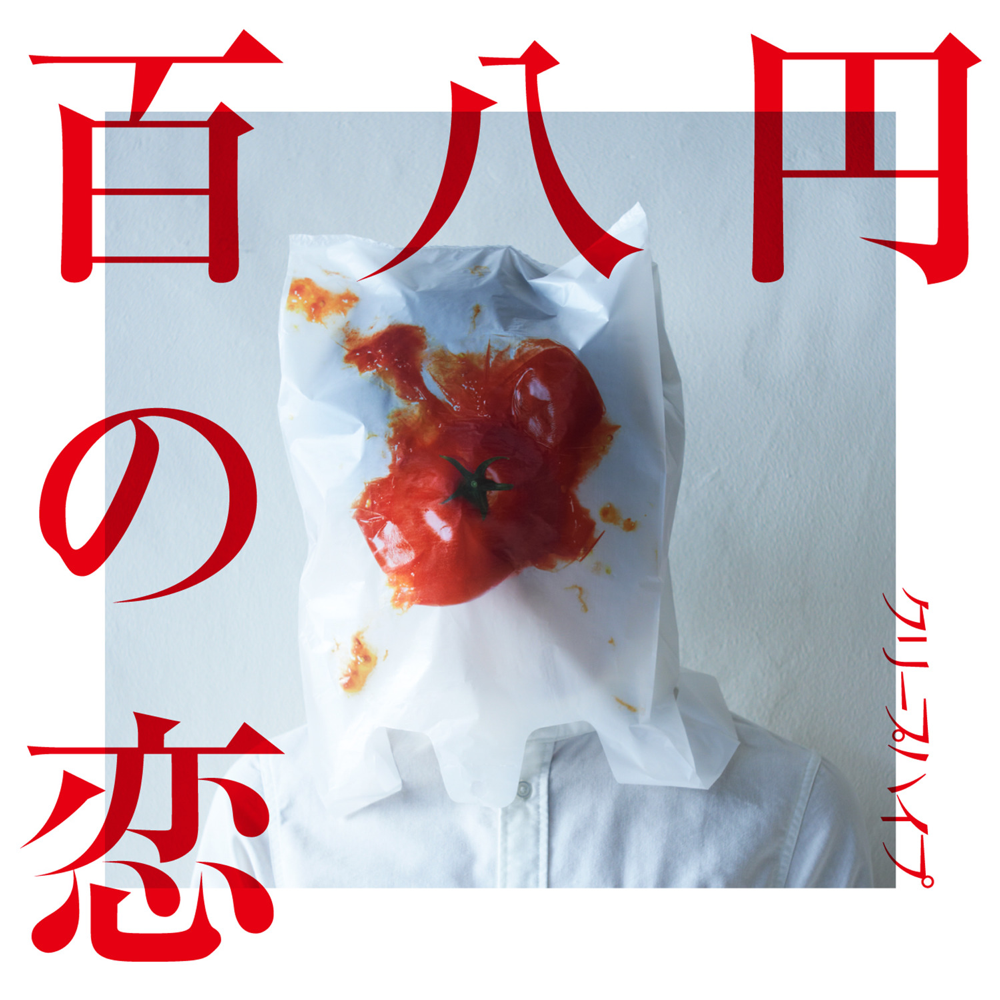
The narrator grapples with the logic of hardship, noting that endings come from beginnings, losses from struggles, and partings from meetings. Yet, this understanding offers little solace. Tears are seen as a hindrance, obscuring what truly matters and amplifying sadness because they are unwanted but uncontrollable. The concept of love itself is framed through a transactional lens, with "a hundred-yen love and eight-yen affection," suggesting that even affection comes with an added cost, a tax on the heart.
This framing of love as a commodity, a "hundred-yen love and eight-yen affection," is particularly striking. It implies that even the most cherished feelings have an extra, perhaps unexpected, burden attached. The repeated question, "Why can't I do it well?" underscores a sense of frustration and inadequacy in navigating these complex emotional costs. The overwhelming repetition of "I want to stay" at the end transforms from a plea into a desperate, almost defiant assertion of will against the pain.
 View Artist