Song Meaning
The narrator revisits a past encounter, recalling the sadness in someone's eyes. There's a strong sense of a missed opportunity, a belief that things could have been different, perhaps better. The core desire was simple: the happiness of two people, and the narrator believed their own contentment was tied to that outcome. This suggests a selfless, or perhaps self-deceiving, motivation behind past actions.
The central tension lies in the conflict between this stated desire for shared happiness and the implied reality of what transpired. The phrase "なんとか出来ると思ってたし" (I thought I could do something about it) hints at a specific action or inaction that led to a different result. The subsequent assertion "後悔なんかしてねーよ…" (I don't regret anything...) feels like a defense mechanism, a way to reconcile the past with the present, even if the lingering memory of sadness suggests otherwise.
The most striking element is the narrator's self-effacing justification: "2人が幸せに暮らせたら、それでいいっつうか" (If the two of us could live happily, that's all that mattered, you know?). This framing positions their own well-being as secondary to a shared happiness, a perspective that's both noble and potentially fraught with unspoken compromises. The slight hesitation and trailing off in "後悔なんかしてねーよ…" further complicate this, hinting at a deeper, unacknowledged emotional residue.
This passage resonates because it captures a specific, poignant moment of looking back with a complex mix of acceptance and perhaps a quiet, unvoiced sorrow. The narrator's attempt to frame their past actions around a simple desire for mutual happiness, while simultaneously acknowledging a past sadness, creates a powerful emotional ambiguity that feels deeply human and relatable.
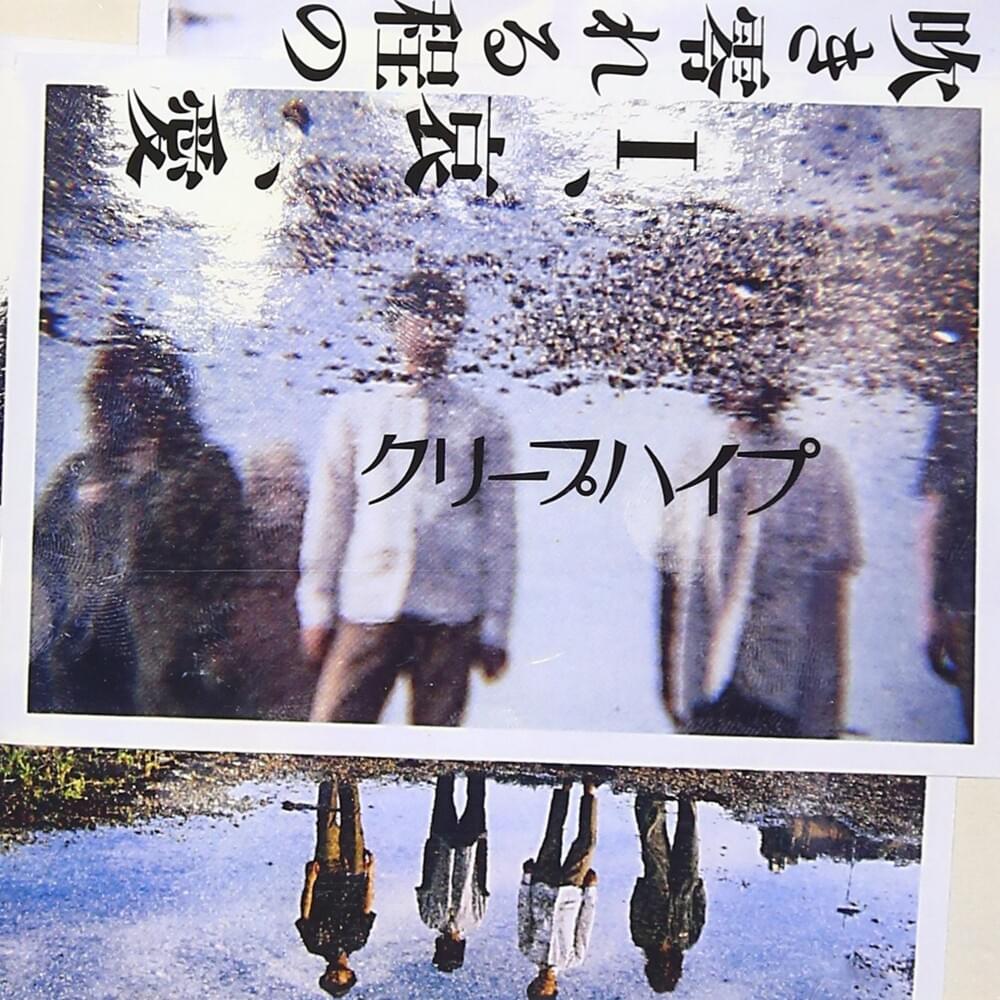
 View Artist