Song Meaning
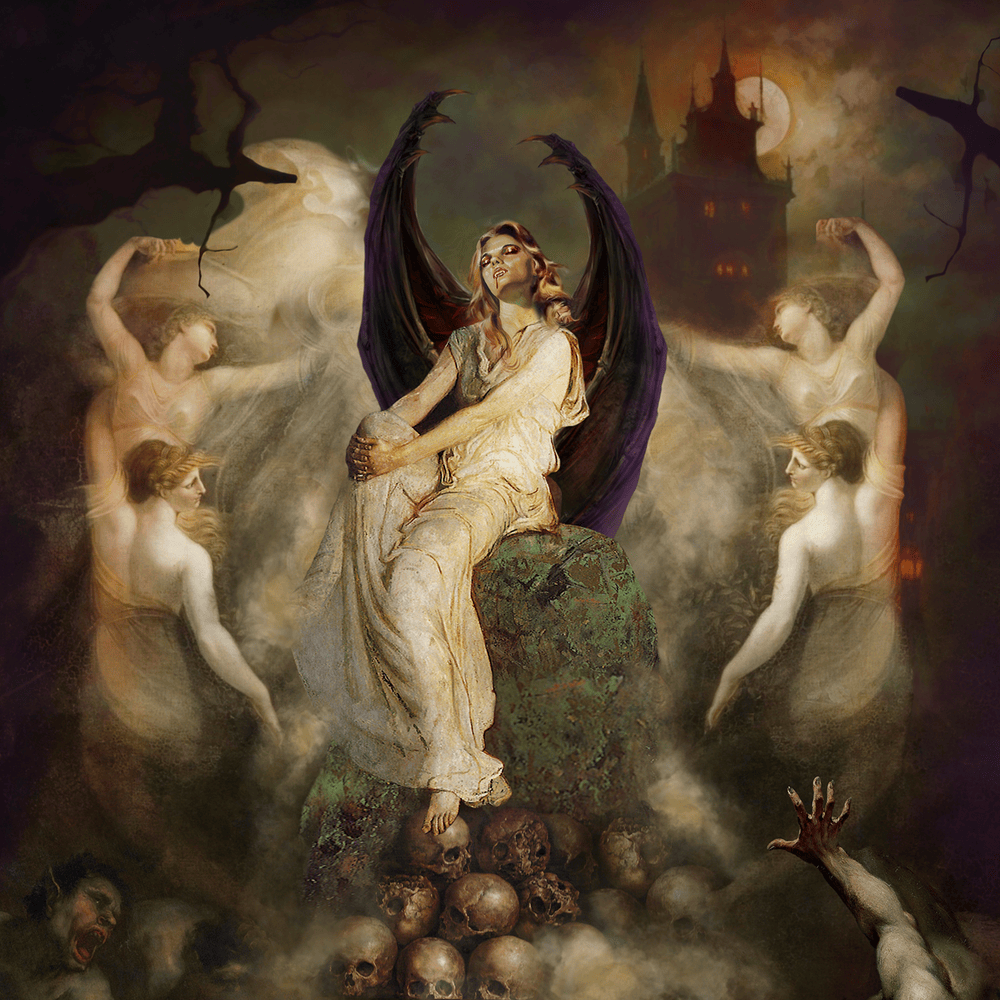
The narrator is captivated by a lover who embodies a dark, almost vampiric allure, referencing Mary Shelley and a morbid fascination with death. This isn't a gentle romance; it's a fixation on someone with a "bloodlust" and a penchant for the macabre, leading them through cemeteries and into mortuaries. The imagery paints a picture of a relationship steeped in the gothic, where the thrill comes from the forbidden and the chilling.
This fixation creates a central tension between life and death, desire and decay. The lover is "undead and undressed," existing in a liminal space between the living and the departed, and the narrator is drawn to this dangerous ambiguity. The phrase "getting laid but not to rest" perfectly encapsulates this duality, suggesting a passionate, perhaps even violent, energy that defies finality. It's a love that thrives on the edge of the grave.
The lyrics cleverly juxtapose the romantic with the gruesome. The idea of a "deathbed built for two" is a stark, unsettling image of shared intimacy within a context of mortality. The quoted line, "How sweet is the affection of others, to such a wretch as I am?" adds a layer of self-awareness, hinting at a profound isolation or self-loathing that makes this dark affection so appealing. The repeated chorus, "She will sit and wait / By the chapel gates," acts as a haunting refrain, emphasizing the lover's patient, predatory nature and the narrator's unwavering devotion to this morbid ideal.
Ultimately, the effectiveness of these lyrics lies in their commitment to a singular, dark aesthetic. The consistent use of death-related imagery, combined with the narrator's fervent admiration for their "bloodlust girl," creates a potent and unforgettable portrait of obsessive love. It's a carefully constructed world where desire is intertwined with the chilling allure of the eternal night.
 View Artist