Song Meaning
The lyrics paint a stark picture of a world where even simple actions are fraught with hidden dangers and anxieties. The opening lines contrast different human behaviors – laughter, crying, empty talk – but all lead to a pervasive sense of gloom. This isn't just personal sadness; it's a societal condition where interactions are suspect and outcomes are predetermined to be bleak.
The central tension arises from the feeling of being constantly watched and judged. The lines about counting money and days, and keeping track of one's mind, suggest a loss of privacy and autonomy. This external scrutiny intensifies the internal dread, making every interaction feel like a potential threat or a calculation against the narrator.
The most striking aspect is the brutal pragmatism that emerges from this oppressive atmosphere. The mention of brothers making you look sideways and fathers making you look back implies familial betrayal or judgment. The chilling conclusion, "you still got to shoot," after all the talking and introspection, reveals a desperate, violent necessity born from inescapable gloom.
This writing is effective because it uses simple, declarative sentences to build a suffocating sense of dread. The repetition of "everything turns out gloomy" acts like a hammer blow, reinforcing the inescapable nature of this bleak reality. The lyrics don't offer solutions, only a raw depiction of a world where suspicion, surveillance, and violence are the only predictable outcomes.
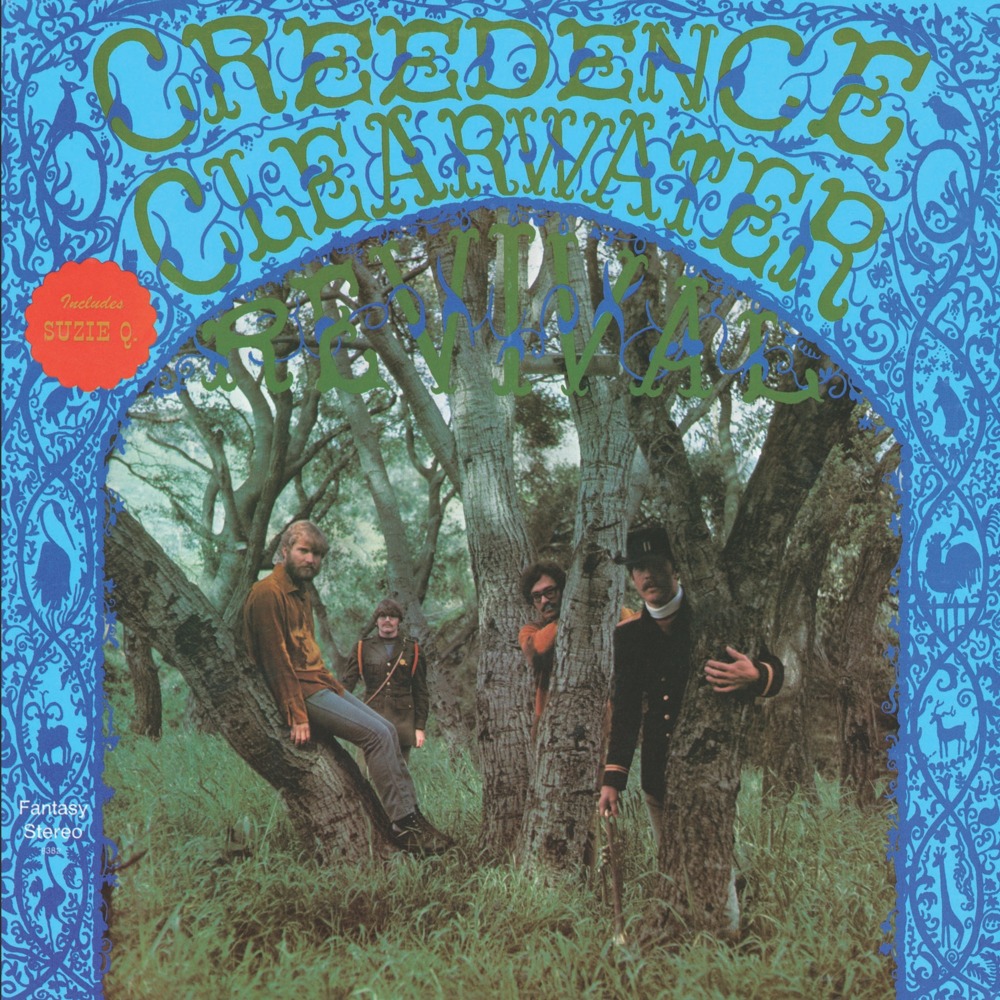
 View Artist