Song Meaning
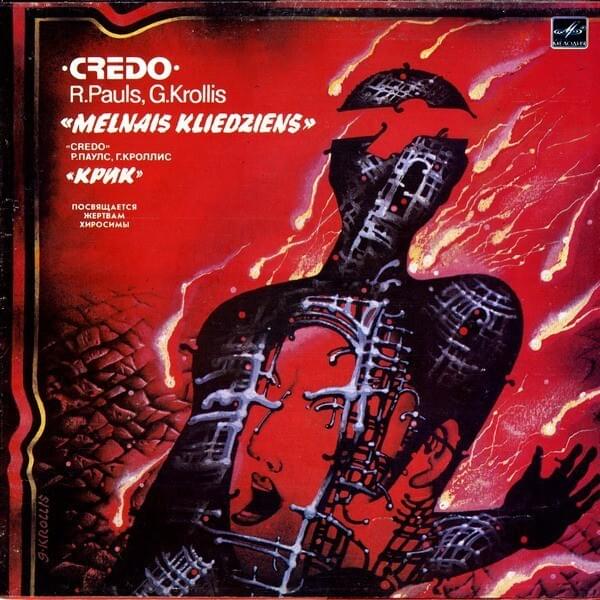
The lyrics paint a stark, devastating picture of the Hiroshima bombing, focusing on the literal and metaphorical erasure of life. The opening dedication immediately grounds the song in a specific, horrific event: a person reduced to a mere shadow on a wall by the atomic blast. This sets a tone of profound loss and the abrupt, violent cessation of existence.
The central conflict is the brutal contrast between life and annihilation, light and darkness. The repeated phrase "Uguns strēle mīlu dzēsa" (A streak of fire extinguished love) and "Dzēsa pēkšņi, akli dzēsa" (Extinguished suddenly, blindly extinguished) emphasizes the indiscriminate and sudden nature of the destruction. Life vanishes "dienas gaismā" (in the daylight), a moment of clarity and existence that is then consumed, leaving only "dzima ēna" (a shadow was born).
The most striking craft element is the powerful, cyclical repetition of the core stanza, mirroring the inescapable trauma and the lingering echo of the event. The transformation from "dzisa gaisma" (light faded) to "dzima ēna" (a shadow was born) is a chilling depiction of life's end, where the absence of light gives rise to a permanent, silent mark. This is further amplified by the repetition of "Dzima sāpe klusa lielai mūžībai" (A quiet pain was born for great eternity), suggesting the enduring, silent suffering that outlasts the immediate blast.
These lyrics are effective because they avoid explicit narrative and instead rely on stark imagery and relentless repetition to convey the overwhelming scale of the tragedy. The focus on the "ēna" (shadow) as the sole remnant is a potent, haunting image that speaks to the complete obliteration of individuals and the silent, eternal grief left behind. The song doesn't just describe an event; it embodies the feeling of sudden, absolute erasure.
 View Artist