Song Meaning
The lyrics paint a stark picture of departure, using the imagery of a train to signify an irreversible exit. The opening lines establish a familiar, almost comforting rhythm with the "old train go down the track" and its "clicketty-clack." However, this sense of normalcy is immediately undercut by the contradictory pronouncements: "It's comin' home, comin' home" followed by "Leavin' town, baby, ain't comin' home no more." This sets up the central tension of the song: the simultaneous presence of a journey and its finality.
The core conflict lies in the act of leaving, framed by the impending "Traintime." The narrator acknowledges the pain of this departure with "Ain't no use to greavin'," yet the repetition of "well, I guess I'm leavin'" and "I'm leavin' town" emphasizes a resigned, almost passive acceptance of this fate. The phrase "ain't comin' home no more" becomes a haunting refrain, solidifying the irreversible nature of the journey.
The most striking element is the juxtaposition of the train's physical movement with the emotional stasis of the farewell. The "clicketty-clack" suggests a steady progression, but the repeated "Traintime, baby, traintime's almost here" creates a sense of dread and anticipation rather than excitement. The repeated "Bye-bye, baby" functions as a desperate, drawn-out punctuation mark to this finality, a last-ditch effort to acknowledge the severing of ties.
This lyrical construction is effective because it grounds a profound emotional event in simple, almost childlike imagery. The contrast between the train's motion and the emotional standstill, coupled with the stark finality of "ain't comin' home no more," creates a powerful sense of loss. The song doesn't dwell on the reasons for leaving but focuses on the inescapable moment of departure, making the act itself the emotional core.
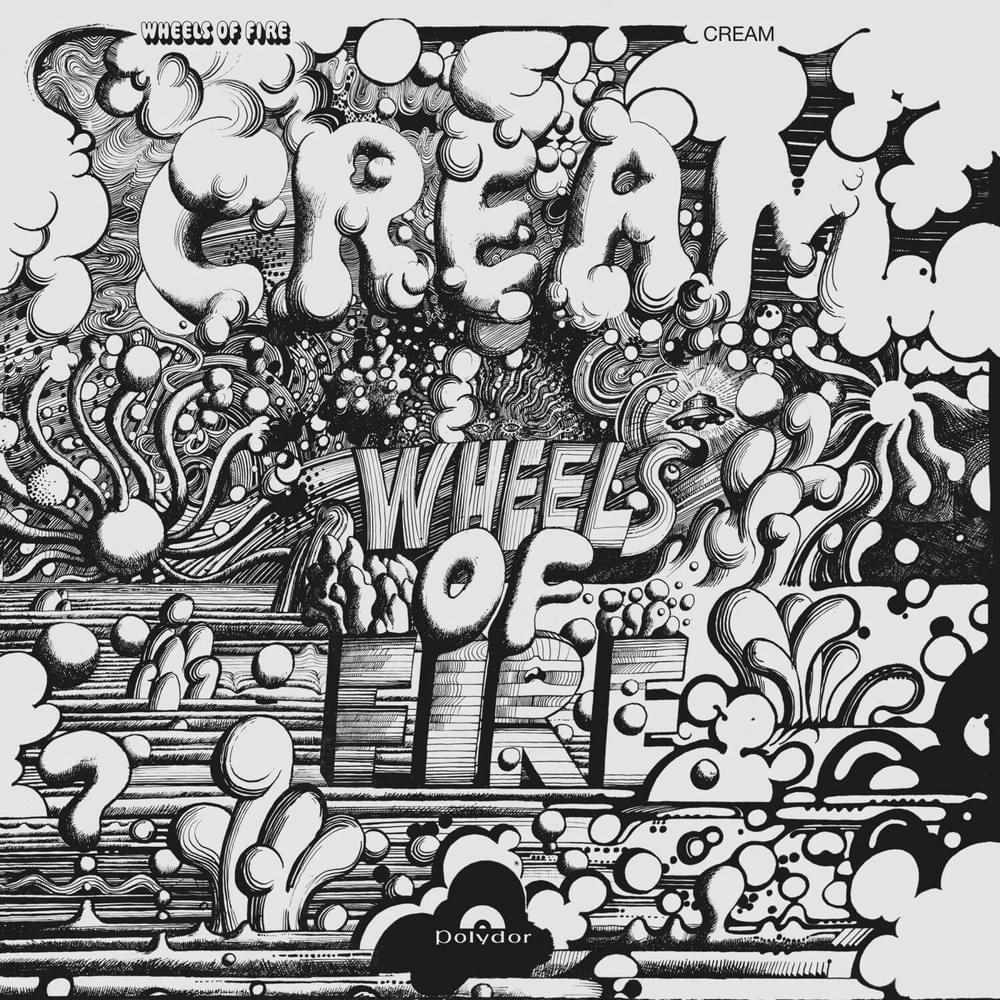
 View Artist