Song Meaning
The lyrics paint a picture of someone who embraces a life of leisure, almost to an extreme. The narrator identifies as a "sleepy time baby" and "sleepy time boy," suggesting a preference for rest and relaxation over exertion. This sentiment is reinforced by the declaration that "work only maybe" and "life is a joy," establishing a core philosophy centered on avoiding labor and maximizing pleasure. The repeated phrase "sleepy time, time, all the time" in the chorus hammers home this dedication to a life of ease, blurring the lines between day and night into one continuous period of repose.
The central tension arises from the narrator's outright rejection of work and commitment to perpetual rest. "Asleep in the daytime, asleep at night" and "working ain't right" clearly articulate this stance. Yet, the introduction of "my favourite cry" on "Monday morning" introduces a subtle, almost ironic counterpoint. While the overarching theme is blissful indolence, this specific mention hints at an underlying, perhaps unavoidable, emotional response that intrudes upon this idealized state of sleepiness, even if it's framed as a preferred.
The most striking aspect of the craft is the relentless repetition of "sleepy time, time." This isn't just a catchy hook; it creates a hypnotic, almost trance-like effect, mirroring the state of perpetual drowsiness the narrator advocates. The phrase itself, with its doubled "time," elongates the feeling, stretching out the moments of rest. The contrast between the carefree verses and the unexpected "favourite cry" on a "Monday morning" also adds a layer of complexity, suggesting that even in a life dedicated to avoiding responsibility, some form of emotional reckoning or routine sorrow can still emerge.
Ultimately, the effectiveness of these lyrics lies in their simple, yet potent, declaration of an anti-work ethos presented with a disarming, almost childlike, sincerity. The unwavering focus on "sleepy time" creates a strong, consistent mood that is both escapist and oddly comforting. The subtle hint of melancholy in the third verse prevents the message from becoming purely one-dimensional, adding a touch of relatable human experience to the otherwise blissful, dreamlike state.
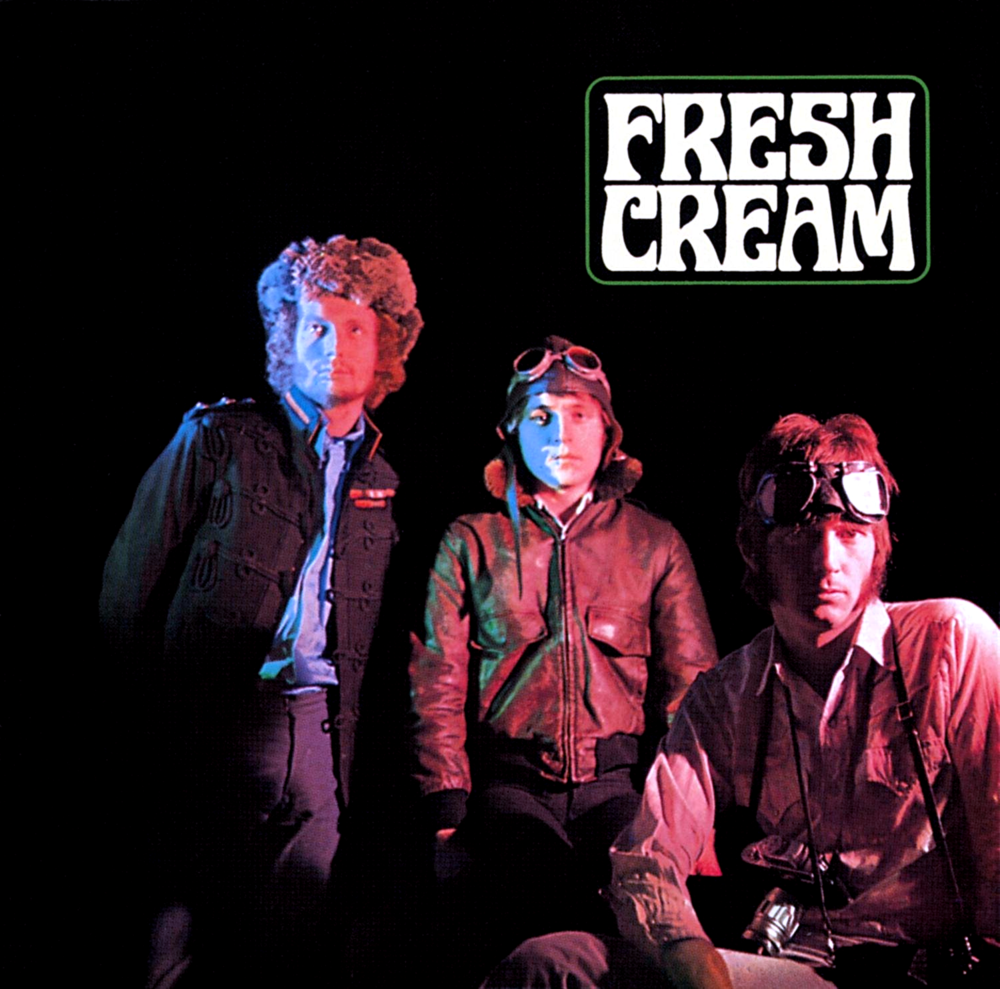
 View Artist