Song Meaning
The lyrics present a stark, almost transactional view of gender roles and power dynamics, framing love and even motherhood as forms of 'bribery' paid for with the body. The opening lines, "Fuck is women's money / We pay with our bodies," immediately establish a sense of obligation and sacrifice, stripping away notions of purity or inherent beauty. This perspective suggests that societal expectations force women into exchanges where their physical selves are the currency, leading to a feeling of pervasive sameness and a lack of genuine emotional freedom. The narrator sees this dynamic as creating 'soldiers' and 'wars' through submission and isolation, painting a bleak picture of female experience.
The central tension arises from the contrast between this perceived female subjugation and a sudden assertion of power in the final verse. While men's 'money' is framed as 'war,' paid with bodies and resulting in 'blood, death and bribery,' the lyrics pivot. The narrator declares, "But we've got the power," a defiant statement that challenges the established order. This power isn't passive; it's an active force that can be wielded against the system of fear and submission that has defined their experiences.
The most striking aspect of the writing is its relentless, almost nihilistic repetition of core phrases and ideas, amplified by the aggressive opening. The constant return to "Fuck is women's money," "We pay with our bodies," and "It's all the fucking same" hammers home a feeling of inescapable circumstance. However, the final lines, "Don't just stand there and take submission on the strength of fear / Fight war, not wars," introduce a crucial shift. This isn't just a lament; it's a call to action, reframing the 'war' not as a state of being but as an external force to be resisted, suggesting that true power lies in conscious defiance rather than passive endurance.
This lyrical approach is effective because it confronts the listener with an unflinching, raw perspective on societal pressures, using blunt language to convey deep-seated resentment and a subsequent, hard-won sense of agency. The stark imagery and repetitive structure create a visceral impact, making the final assertion of power feel earned and potent. It's this directness, this refusal to soften the edges of a harsh reality before offering a path toward resistance, that gives the lyrics their enduring punch.
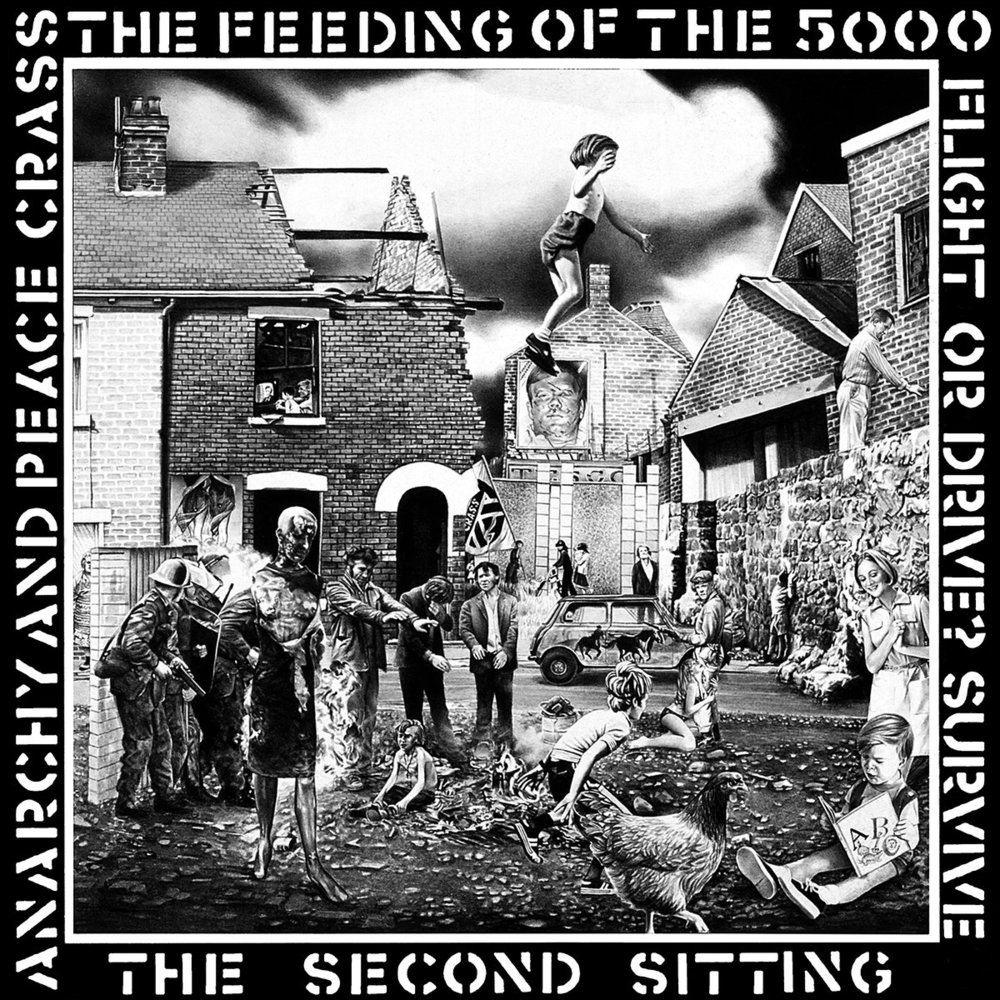
 View Artist