Song Meaning
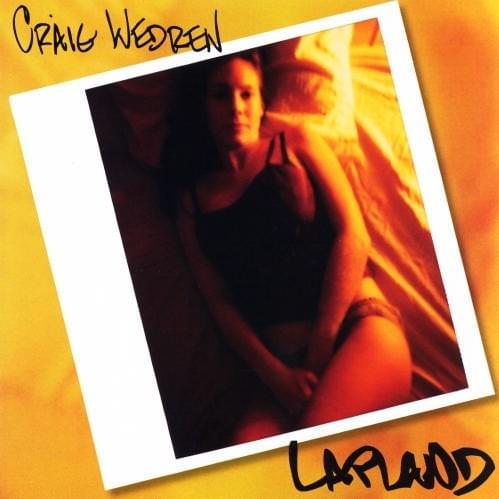
Craig Wedren's "Rain Diamonds" unfolds like a hazy memory, saturated with longing and the intoxicating allure of a past romance. The song's core image – a night when the sky rained diamonds – serves as a potent symbol of a moment in time when everything felt extraordinary, perhaps even impossibly perfect. It's a feeling the narrator desperately clings to, a yardstick against which the present pales. The lyrics paint a picture of intimacy tinged with melancholic awareness. Phrases like "shadows of darkened blinds" and "ghosts of roses on the table" hint at a relationship that's either fading or haunted by unresolved issues. The geographical context of L.A. further amplifies this sense of bittersweet nostalgia, evoking the city's reputation for both glamour and fleeting connections. The line, "You are most wanted with your photos and your fables," suggests the subject is both captivating and perhaps slightly unreal, a figure built on carefully constructed images and stories. Wedren masterfully captures the way memories can become idealized, shimmering versions of reality, more potent and alluring than the present moment.
The recurring motif of "rained diamonds" transforms from a simple metaphor into a complex emotional anchor. It represents not just a beautiful moment, but a period of youthful stability and agility, a stark contrast to the current state of affairs. The narrator's plea, "Take me with you," underscores a desire to escape the present and recapture that lost feeling. The tension between the desire for connection and the awareness of its fragility is palpable. The lyrics also hint at a power dynamic, with the narrator imploring, "Don't say 'stop' like a girl, I'm not that strong," suggesting a vulnerability and a fear of rejection or abandonment. This adds another layer to the song's exploration of memory and longing, highlighting the ways in which past relationships can shape our present insecurities.
Ultimately, the song meaning of "Rain Diamonds" resides in its exploration of memory's selective and often deceptive nature. Wedren isn't just singing about a past romance; he's delving into the psychology of nostalgia, the human tendency to romanticize the past, and the inherent sadness that comes with recognizing its irretrievability. The song’s beauty lies in its ability to evoke this complex emotional landscape with evocative imagery and a raw, vulnerable vocal performance. The lyrics analysis reveals a sophisticated understanding of how our memories shape our present experiences, and how the pursuit of past happiness can sometimes lead to a deeper appreciation of the present, even with its imperfections.
 View Artist