Song Meaning
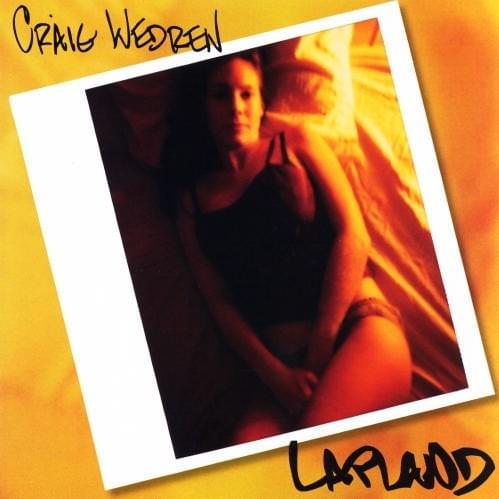
Craig Wedren's "Night Is Over" operates in the liminal space between exhaustion and hope, a lullaby for adults grappling with the weight of existence. The simple, almost childlike plea of "Tuck me in / 'Till the night is over" immediately establishes a yearning for solace, a desire to escape the relentless pressure of "long days" and "strong wind." This isn't merely about physical rest; it's a profound weariness of the soul, a need for protection from the harsh realities of the world. Wedren taps into a primal vulnerability, reminding us of our fundamental need for comfort and security, even as adults. The repetition of "Don't cry, my lover" suggests shared hardship, a mutual struggle against despair. It acknowledges the pain, but also offers reassurance and a shared commitment to persevere. The "lover" could be a romantic partner, but also a close friend, family member, or even oneself – a reminder to be kind to the suffering self. The lyrics create a sense of intimacy and shared experience, inviting listeners to find solace in the music. The dream sequence, seemingly about abundance ("I dreamed we had / A lot of bread"), quickly twists into something bittersweet. The fullness upon waking transforms into sadness, highlighting the ephemeral nature of dreams and the potential for disappointment when confronted with reality. This verse underscores the psychological tension at the heart of the song: the simultaneous desire for and fear of hope. The repeated refrain, "Our eyes are open / And the light's pouring in," serves as a powerful counterpoint to the initial weariness. It's not a naive optimism, but a conscious choice to perceive the positive even amidst hardship. The open eyes signify awareness, a refusal to succumb to darkness, while the pouring light symbolizes hope, renewal, and the potential for healing. The repetition reinforces the idea that even in the darkest of times, glimmers of light can penetrate, offering a path forward.
 View Artist