Song Meaning
This track kicks off with a raw, almost confrontational energy, immediately establishing a power struggle: "Wer von uns kann hier länger, wer zieht am längeren Hebel?" The narrator asserts dominance, claiming to "fickt dein Kopf, ich geh direkt in dein Schädel," suggesting a forceful mental intrusion. This aggressive stance is framed as being "für meine Leute," a group depicted through gritty, illicit activities like "strecken, kochen und backen" and "das flüssige Weiße trocknen und mit Klebeband verpacken," painting a picture of street-level hustle and survival.
The lyrics then pivot to a darker, more transactional view of this world, warning that "Der Teufel steckt im Detail, der Teufel hat seinen Preis." The phrase "Kleine [?] sind gefickt mit dem weißen Stein" directly implicates the drug trade and its destructive impact on vulnerable individuals. The narrator then offers an invitation to witness "echte Berliner," contrasting the harsh reality with symbols of the city and its inhabitants, the "Euro-lila-Verdiener," hinting at a specific, perhaps morally ambiguous, urban culture.
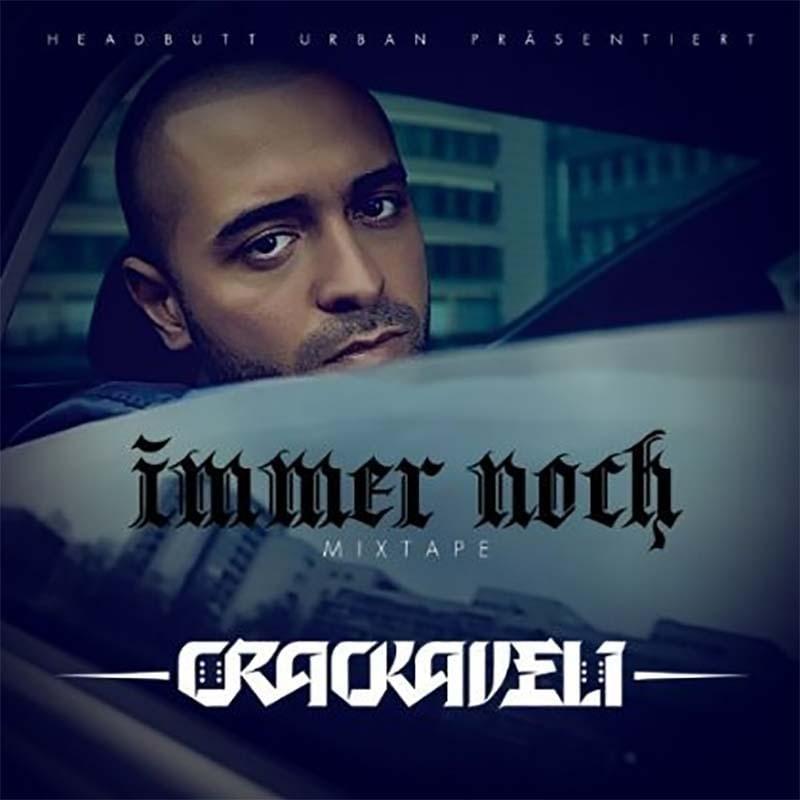
The hook hammers home a relentless sense of dissatisfaction and ongoing struggle. "Immer noch nich satt, immer noch stück Blatt" speaks to an insatiable hunger and a continuous, perhaps precarious, existence. The repetition of "Immer noch" reinforces a feeling of being stuck in a loop, defined by a persistent identity ("Kanack"), a specific environment ("Hauptstadt"), and an unceasing drive ("auf Trab"). This refrain captures the enduring, perhaps inescapable, nature of the narrator's reality and ambition.
 View Artist