Song Meaning
The scene is set with stark, almost desolate imagery: dried flowers and a dying desert. Yet, the narrator clings to a vision of permanence, seeing "forever" in the person they address. This creates an immediate tension between decay and an enduring, perhaps idealized, love. The pomegranate seeds, a symbol of Persephone and the underworld, hint at a darker, more complex undertone beneath the surface of this seemingly idyllic, yet fading, romance.
The core conflict emerges from a desperate need for reassurance against unspoken doubts. The narrator offers to "bury" secrets, even painful ones, and to accept lies, including the possibility of infidelity. This willingness to suppress their own hurt and accept deception suggests a profound fear of loss, prioritizing the relationship's survival over truth or self-preservation. The promise to "compromise" and "forgive" everything underscores this desperate commitment.
The most striking craft element is the juxtaposition of natural decay with the narrator's unwavering, almost defiant, declaration of love's resilience. "Our love survived like flowers / Through the harshest winter's snow" presents a powerful image of endurance against overwhelming odds. This contrasts sharply with the "dried up flowers" and "dying desert leaves" mentioned earlier, highlighting the narrator's internal struggle to maintain faith in a love that appears to be withering in reality.
These lyrics hit hard because they capture the painful vulnerability of loving someone whose true feelings or actions remain uncertain. The narrator's willingness to overlook flaws and accept falsehoods, driven by a deep-seated fear of abandonment, is a raw portrayal of devotion bordering on self-destruction. The specific, evocative images – the pomegranate, the dashboard flowers – ground this emotional intensity in a tangible, albeit melancholic, reality.
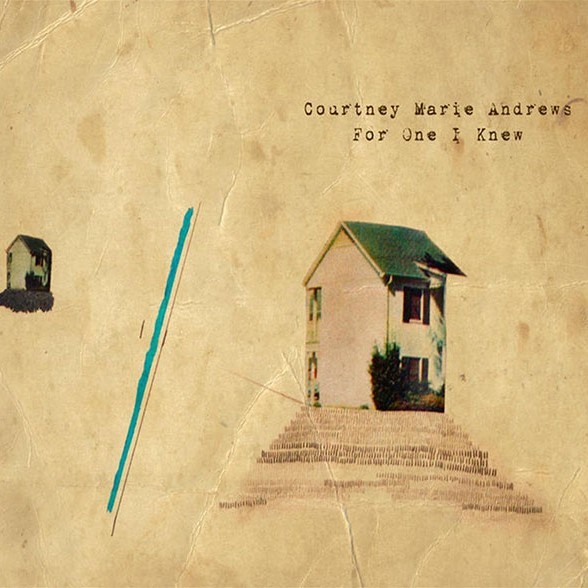
 View Artist