Song Meaning
Courtney Barnett's blunt repetition in "I'm Not Your Mother, I'm Not Your Bitch" isn't just punkish defiance; it's a raw nerve exposed. The song's meaning hinges on that central, repeated assertion—a desperate attempt to define boundaries in a relationship that's clearly blurred them. It's a primal scream against being pigeonholed, controlled, or infantilized. The lyrical simplicity is deceptive; the sting lies in its directness. Barnett isn't mincing words; she's drawing a line in the sand with the most basic, unarguable terms. The frustration simmers beneath the surface, threatening to boil over. The repetition itself becomes a form of protest, a mantra against the encroaching expectations. Each iteration of the title phrase carries the weight of past interactions, of unspoken demands, and of a growing resentment. The 'never change' refrain adds another layer, suggesting a cyclical pattern of behavior, a power dynamic that refuses to shift.
Barnett's vulnerability peeks through in the bridge: "I get most self-defensive when I know I'm wrong." This admission complicates the narrative. It hints at a deeper insecurity, a fear of inadequacy that might fuel the defensive stance. It's not just about rejecting imposed roles; it's about grappling with her own shortcomings and imperfections within the relationship. This acknowledgement of personal fallibility prevents the song from becoming a simple, one-sided rant. It transforms it into a more nuanced exploration of power, control, and the messy realities of human connection.
Ultimately, "I'm Not Your Mother, I'm Not Your Bitch" transcends its seemingly simple lyrical structure. It's a visceral articulation of the struggle for autonomy, a battle cry against being defined by someone else's expectations. The song's power lies in its rawness and its refusal to compromise. It's a reminder that setting boundaries, even when messy and uncomfortable, is essential for self-preservation. It's a snapshot of a relationship teetering on the edge, where the fight for individual identity is paramount.
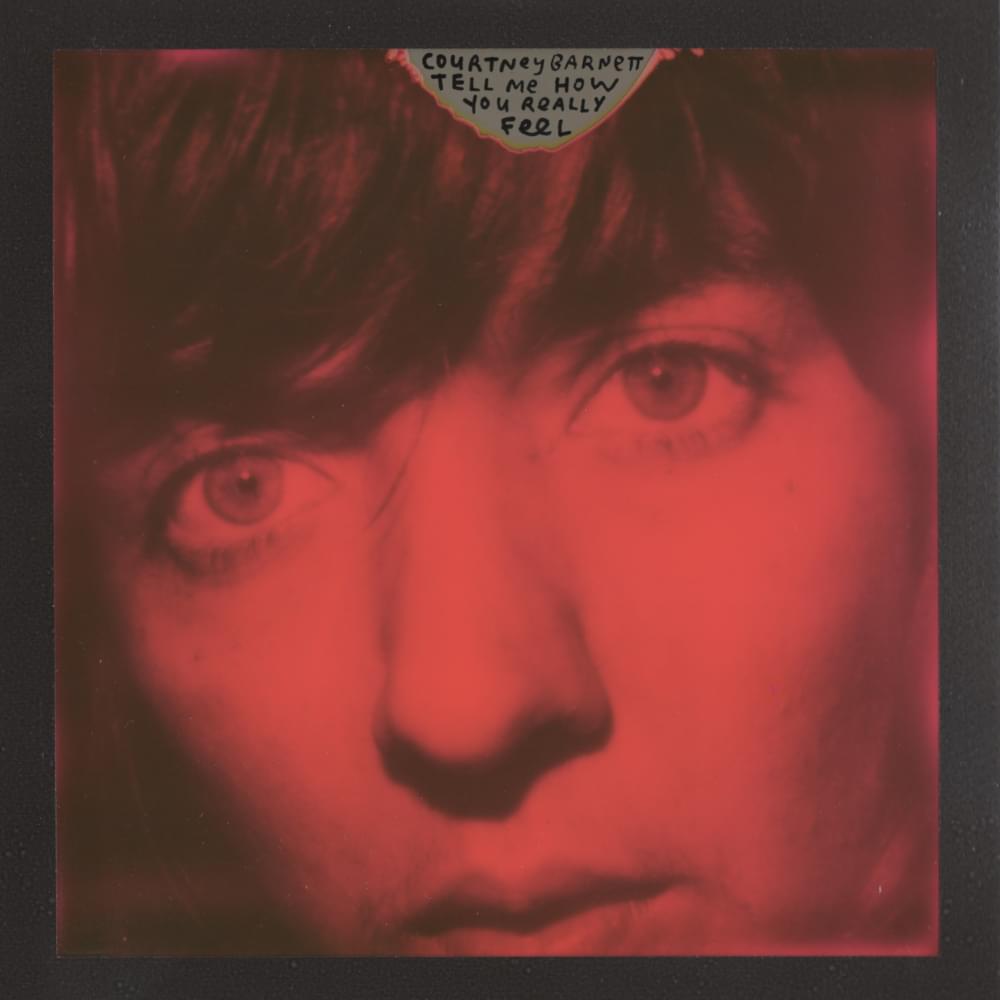
 View Artist