Song Meaning
Kurt Vile's "Untogether" isn't just a song; it's a masterclass in melancholic detachment, a sonic shrug delivered with Vile's signature blend of wry observation and quiet desperation. The song meaning revolves around the frustrating, almost comical, inability to fix what's fundamentally broken, be it in others or ourselves. The recurring refrain, "Untogether," acts as both a diagnosis and a weary acceptance of inherent flaws. It's a mantra for the modern age, where the pressure to optimize everything—relationships, careers, even our own psyches—collides with the stubborn reality of human imperfection. The repeated line, "I couldn't help it, it got hard," is a flash of vulnerability amidst the detachment, suggesting a struggle to maintain composure in the face of these untogether elements. It hints at the emotional labor involved in navigating relationships with flawed individuals, and perhaps, the struggle to accept one's own shortcomings.
Vile populates "Untogether" with a cast of eccentric characters: a face-touching girl spinning tall tales, a demanding frog testing faith, and a bird’s nest on his back. These aren't literal figures, of course, but archetypes representing different kinds of emotional burdens and draining relationships. The girl's changing stories suggest a lack of authenticity, while the frog's demands highlight the exasperation of dealing with someone perpetually unsatisfied. The image of the bird's nest is particularly evocative, symbolizing the weight of the past or the lingering presence of a relationship that once felt golden but now requires constant effort and speed to outrun.
The core message within the "Untogether" lyrics lies in the repeated pronouncements of impossibility: "You can't save the unsaveably," "You can't change the unchangeably," "You can't hold the impossibly." These aren't just statements of fact; they are coping mechanisms. They represent a surrender to the limits of human agency, a recognition that some things simply cannot be fixed, no matter how hard we try. In a world obsessed with self-improvement and relentless optimism, Vile offers a dose of bracing realism, suggesting that sometimes, the most sane thing to do is simply accept the untogetherness of it all and keep moving.
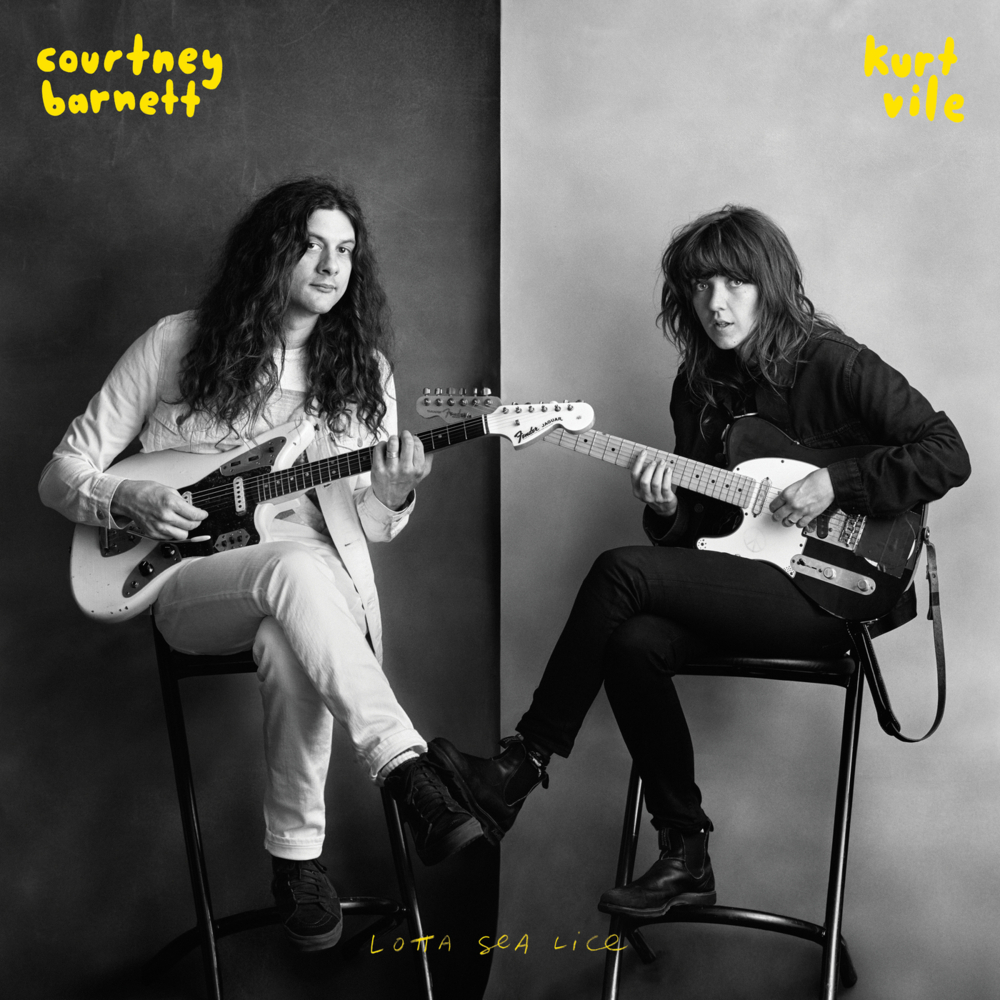
 View Artist