Song Meaning
The lyrics paint a grim, apocalyptic scene where a narrator, seemingly forged in conflict, rejects traditional salvation. The opening lines establish a sense of divine retribution, with "serpents coil in fear of judgement," immediately setting a tone of judgment and consequence. The narrator's own experience is one of intense struggle, "Purgatory burned as I fought alongside flame," suggesting a personal hell and a fight against overwhelming forces, perhaps even against the very idea of divine intervention.
The central tension arises from the narrator's demand to acknowledge a brutal reality over spiritual comfort. They "Command deaf ears to hear of war and not the word of God," a powerful indictment of a faith that ignores suffering. This isn't a plea for peace, but a forceful assertion that the experience of conflict and its victims must be heard, even if it means drowning out divine pronouncements. The "crusade on winds from hell" further blurs the lines between divine mission and infernal destruction, suggesting that even holy wars are tainted.
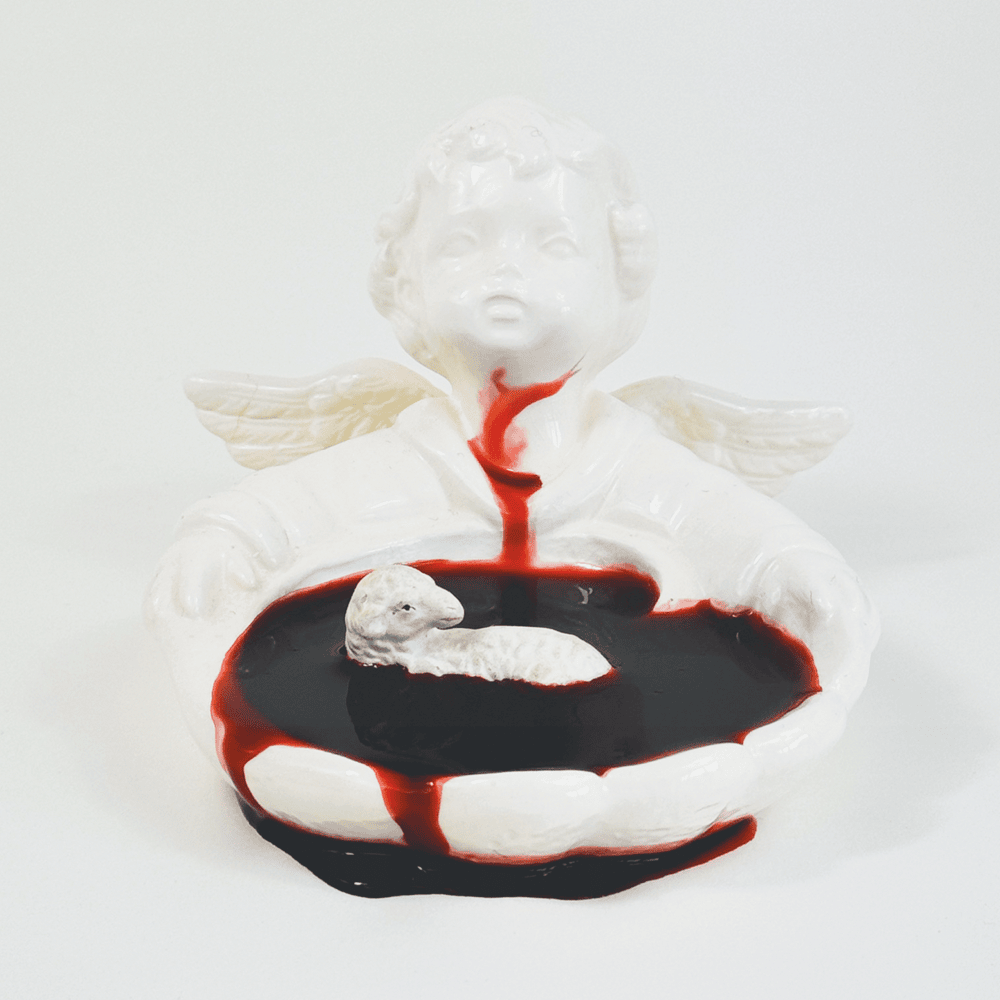
What's particularly striking is the inversion of religious imagery. The narrator speaks of "collecting the crowns of undeserving saints" and how "Blessed heads will hang, not in shame, but in my hands." This isn't about earning a halo, but about claiming a grim authority derived from suffering and judgment. The act of pulling "nails I have pulled from your palms" is a visceral, almost sacrilegious act, repurposing symbols of Christ's sacrifice into tools of the narrator's own harsh justice. The repetition of "For their sin, the serpents coil in fear of judgement" acts as a grim refrain, reinforcing the inescapable nature of consequence.
This writing is effective because it forces a confrontation with the harshness of reality, stripping away comforting illusions of divine order. The narrator's voice is one of bitter experience, demanding that the world acknowledge the scars of conflict rather than seeking solace in abstract faith. The lyrics don't offer redemption, but a stark, unflinching gaze at the consequences of sin and the brutal nature of judgment, making the demand to "hear of war" resonate with a profound, unsettling weight.
 View Artist