Song Meaning
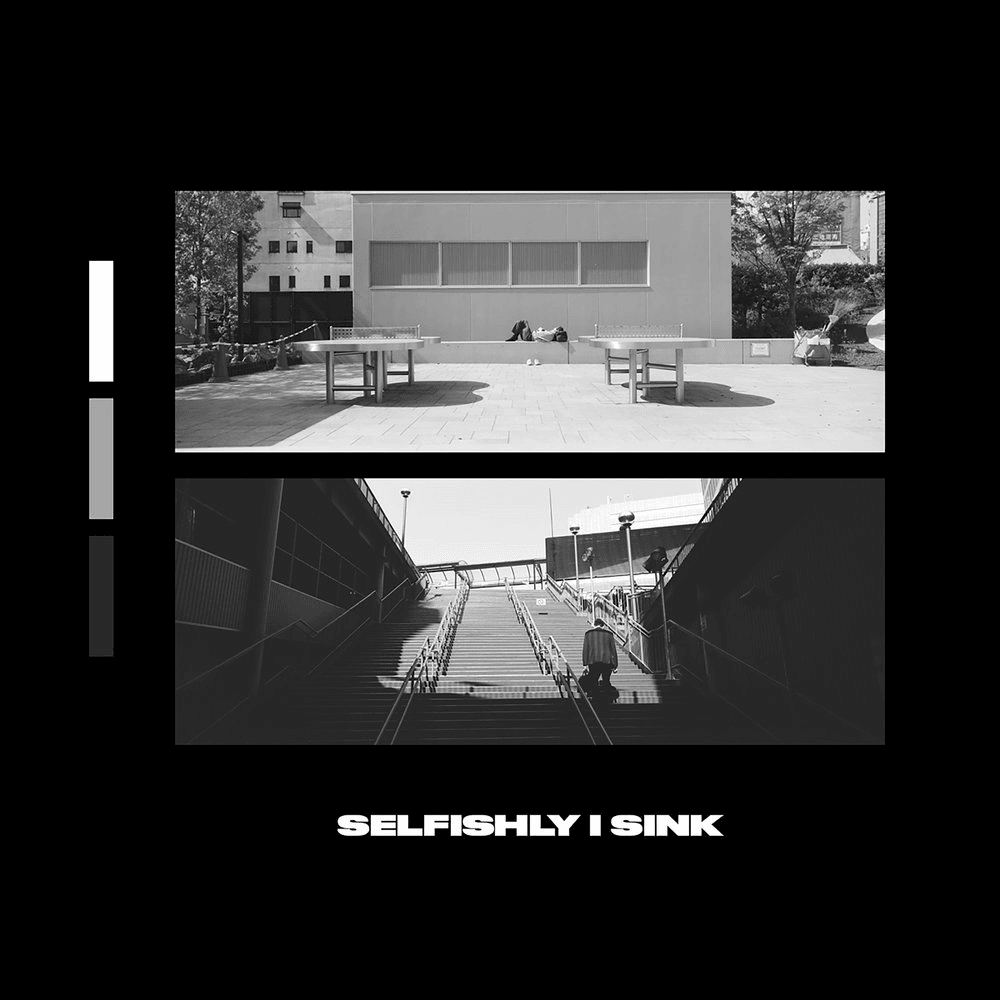
The lyrics paint a stark picture of a relationship where the narrator feels both drawn to and consumed by another person. There's a sense of predetermined self-destruction, as if the narrator was "bred to feel an unfamiliar touch," immediately linking desire to a potentially harmful connection. This connection is described with visceral imagery, like being "dragged down" and having a void filled "like fingers in my mouth," suggesting an invasive and unsettling intimacy that the narrator actively invites, calling it a "plague I've invited into me." The core of this verse is the narrator's passive acceptance of this destructive dynamic, concluding with the resigned phrase, "And selfishly I sink."
The central tension lies in the narrator's simultaneous desire for closeness and the recognition of its toxicity. They want to be "kept close" but also acknowledge the damage being done, describing the other person as leaving "shallow waves" that make them "filthy" while the other remains "completely clean." This contrast highlights a profound imbalance, where the narrator absorbs the negative consequences of their shared experience. The repeated plea to "keep me close" becomes a desperate, almost masochistic, request for proximity even as it leads to their own downfall.
The most striking craft element is the juxtaposition of vulnerability and violence in the chorus. The command to "Drive a nail through both of my lips if you must" is a brutal image, yet it's immediately followed by the act of whispering and the assertion that "We whisper / As a metaphor for trust." This creates a disturbing paradox: the narrator is willing to endure extreme silencing or pain as a condition for a fragile, almost inaudible form of connection. It suggests that trust, in this context, is not built on open communication but on shared, painful secrets and a willingness to be fundamentally altered by the other person.
Ultimately, these lyrics resonate because they capture the complex, often self-defeating nature of certain intense relationships. The narrator's active choice to "sink" despite knowing the cost, their willingness to accept a painful form of intimacy, and the stark contrast between their own degradation and the other's purity all contribute to a powerful, albeit bleak, emotional landscape. The writing effectively uses unsettling imagery and stark contrasts to convey a sense of being trapped in a destructive cycle, where self-preservation is sacrificed for a twisted form of connection.
 View Artist