Song Meaning
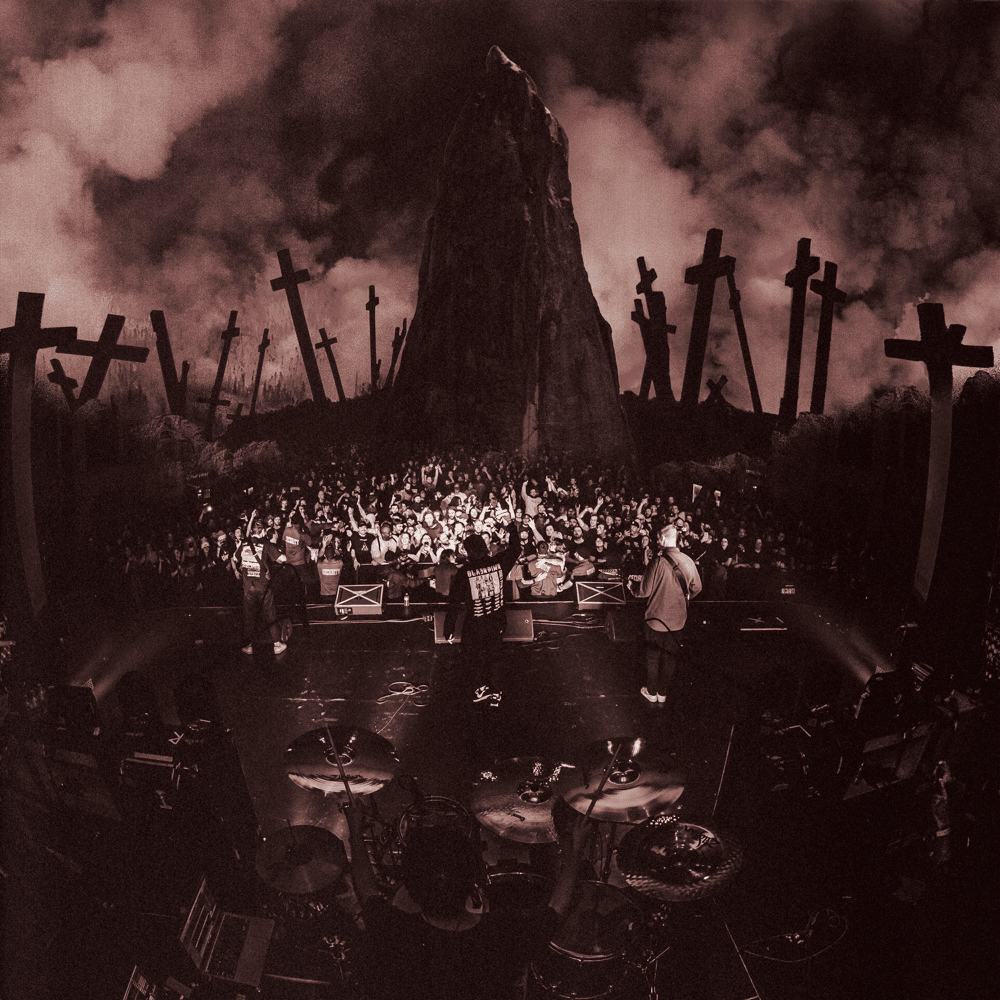
The lyrics present a raw, almost desperate plea for unconditional love, framed by the chaotic energy of a live performance. The repeated question, "Will you love me / When there's nothing left to love?" cuts to the core of existential insecurity. It's not about superficial affection; it's a demand for validation when all external markers of worth or desirability have vanished. The live performance context, with shouts for "louder" and "more of that shit," amplifies the feeling of a performance itself, questioning if love is merely a reaction to a spectacle or something deeper.
The central tension lies in this vulnerability versus the demand for unwavering commitment. The narrator seems to be testing the limits of affection, pushing the listener to confront what love truly means when stripped bare. The phrase "nothing left to love" is a powerful image of depletion, suggesting a state of utter emptiness, perhaps emotional, physical, or even spiritual. It's a profound fear of abandonment at its most elemental.
The most striking aspect of the craft is the relentless repetition. The core question is hammered home, creating a hypnotic, almost incantatory effect. This isn't subtle; it's a direct, forceful interrogation. The shift from a question to declarative statements like "There's nothing left to love" in the outro signifies a potential resignation or a further deepening of the existential dread, leaving the listener with a lingering sense of unease and the unresolved nature of the plea.
This lyrical structure is effective because it mirrors the intensity of the live setting while tapping into a universal human anxiety about being loved for who we are, not just for what we present. The raw, unvarnished language and the sheer force of the repetition bypass intellectualization, hitting directly at an emotional core. It forces a contemplation of what remains when the performance ends and the applause fades.
 View Artist