Song Meaning
This song paints a vivid picture of an invitation to escape the mundane and journey to a place of pure joy and belonging. The narrator beckons a companion to join them on a steamboat trip down the Mississippi, heading straight for the vibrant heart of New Orleans. It's presented as a direct path to a "land of dreams," a destination where worries melt away and good times are guaranteed. The initial tone is one of enthusiastic persuasion, promising a welcoming and idyllic experience.
The core emotional tension lies in the contrast between the "Basin Street blues" and the promised relief found in New Orleans. The lyrics explicitly state the goal is to "lose, lose my Basin Street blues," suggesting a prior state of melancholy or hardship that this journey is meant to cure. Basin Street itself is idealized as "heaven on earth," a place where "all good friends always meet," serving as the ultimate antidote to whatever ails the narrator.
The most striking craft element is the repetition and direct address, creating a sense of shared experience and immediate appeal. Phrases like "Won't you along with me" and "Ain't you glad you came with me" draw the listener directly into the narrative. The repeated invocation of "Basin Street" and "New Orleans" solidifies the destination as a tangible utopia, while the promise of a "trombone tag" at the end injects a playful, musical energy, reinforcing the lively spirit of the place.
Ultimately, the lyrics resonate because they tap into a universal desire for escape and community. The simple, direct language and the clear promise of happiness and belonging make the invitation feel genuine and compelling. It’s the construction of a perfect, welcoming haven, a place where one can shed their troubles and find solace among friends, all set against the romantic backdrop of a riverboat journey.
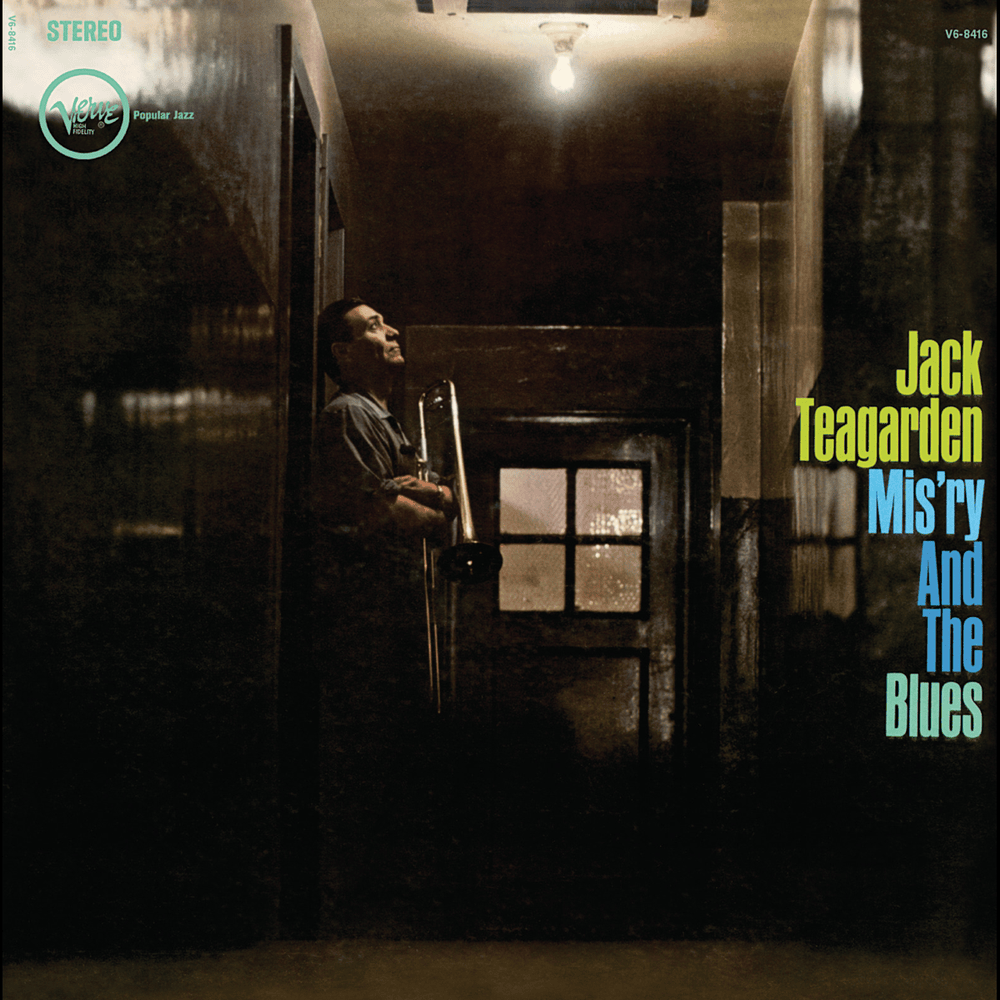
 View Artist