Song Meaning
The narrator opens with a stark contrast of perceptions about their city. The mayor paints a picture of a "cidade do sol," a sunny, perhaps idyllic place. But this is immediately undercut by the police, who label it "cidade do pó," hinting at drug activity. Then, the "gringo" perspective adds a layer of "cidade do sexo," suggesting a different kind of exploitation or allure. These conflicting labels, each spoken by a different authority or observer, establish a complex and perhaps cynical reality.
The core tension arises from the narrator's personal aspiration versus the city's imposed identity. "Eu não queria nada disso, mas é o que é" reveals a resignation to these external definitions. Their true desire is simpler, yet ambitious: "Eu só queria fazer disso aqui a cidade da grana." This isn't just about wealth, but about transforming the city's narrative and perhaps its economic reality, moving beyond the imposed labels of sun, drugs, and sex.
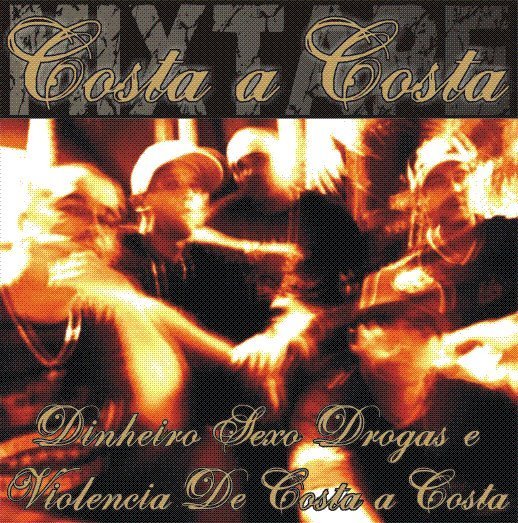
The lyrics highlight a raw, unvarnished truth about the city, explicitly stated as "dinheiro, sexo, drogas e violência de Costa a Costa." This blunt declaration serves as a mission statement, acknowledging the harsh elements that define the place. The laughter "Hahahahahahaha" after the "cidade do sexo" comment suggests a dark humor or a weary acceptance of the city's reputation, a recognition that these labels, however undesirable, are the current currency.
Ultimately, the effectiveness of these lyrics lies in their directness and the sharp juxtaposition of idealized and gritty realities. The narrator's simple, yet powerful, desire for "grana" cuts through the noise of external perceptions and the city's inherent dangers. It grounds the song in a relatable, albeit cynical, ambition to redefine a place through its economic potential, acknowledging its flaws while aiming for a different future.
 View Artist