Song Meaning
The lyrics present a powerful declaration of reclaiming self-integration after a period of dissociation. The opening lines, "I stitched my mind back to my body / I'm not sorry / We're not sorry," immediately establish a tone of defiant self-acceptance. This act of "stitching" suggests a deliberate, perhaps painful, process of repair, yet the repeated "not sorry" underscores a firm resolve and lack of regret for this internal work. The narrator claims a newfound sense of wholeness and freedom from worry, indicating a significant internal shift.
The central tension emerges in the chorus, where the narrator describes an attempt to "lure" someone else through a "turnstile" to a place they "will never be." This suggests a desire to connect or perhaps to guide another person towards a similar state of integration, but also acknowledges the futility or impossibility of that specific connection. The imagery of the "next aisle" and "glittering smile" hints at a superficial or performative attempt at engagement, contrasting with the deep internal work described in the verses.
The second verse reinforces the difficulty of the journey, noting that the "way" was "foggy" and the "path" led to "soggy" feet. This imagery conveys the challenges and discomfort encountered in finding one's way back to oneself. However, the shift from "not worried" to "not sorry" in the second verse, while subtle, suggests a move from a state of passive lack of concern to an active, assertive stance of self-possession and acceptance of the past.
Ultimately, the effectiveness of these lyrics lies in their directness and the stark contrast between internal repair and external interaction. The repeated refrain of "I'm not sorry / We're not sorry" acts as an anchor, solidifying the narrator's commitment to their own healing process. The act of "stitching" is a visceral metaphor for piecing oneself back together, resonating with anyone who has experienced a sense of internal fragmentation and the subsequent effort to achieve wholeness.
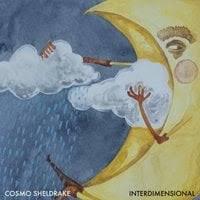
 View Artist