Song Meaning
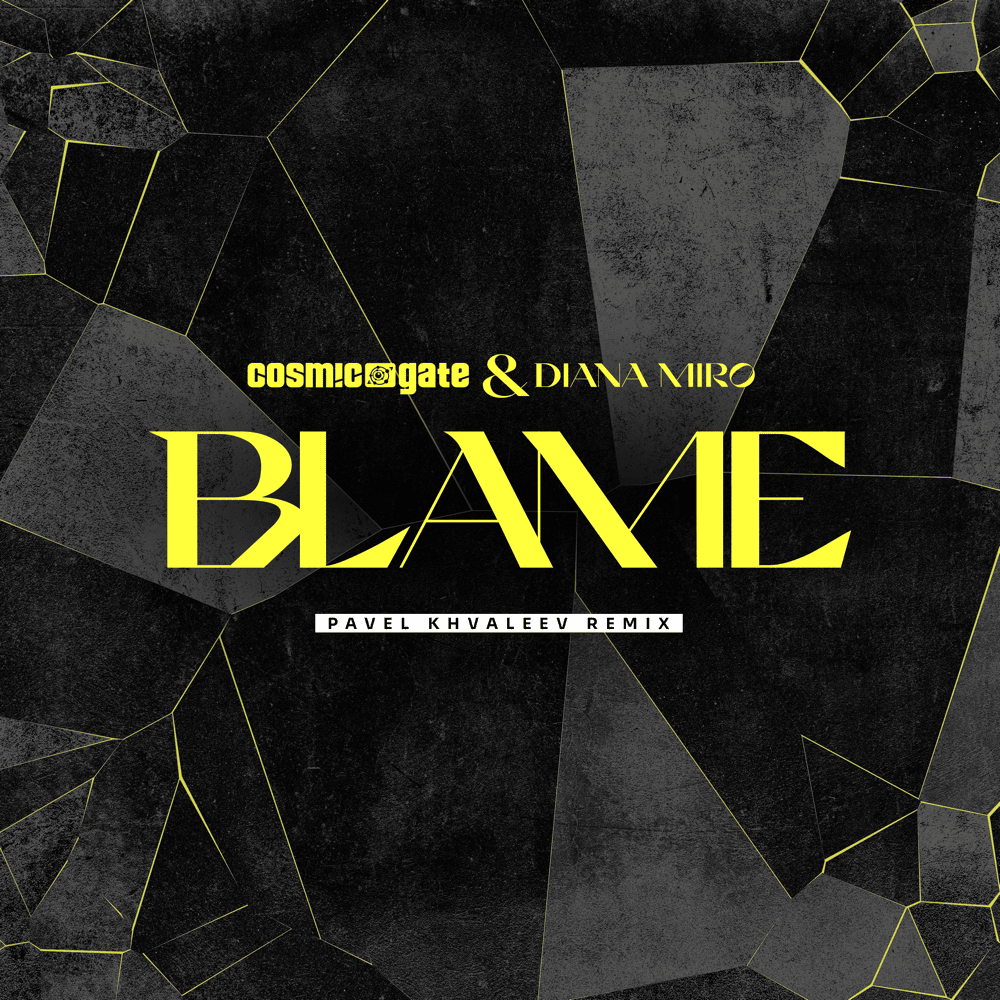
The lyrics immediately dive into a defensive stance, with the speaker pushing back against responsibility. They describe an internal landscape where a "fragile peace of mind" offers false comfort, and "reckless round of thoughts" promises desires that aren't truly needs. The core message is a firm refusal: "Don't blame it on me."
This tension stems from the internal struggle between superficial appearances and deeper truths. The speaker acknowledges an inner voice that says "You're doing fine" but quickly dismisses it as "never what it seems." Similarly, thoughts might offer "what you'd want," yet these are distinct from "what you need," highlighting a constant negotiation between illusion and reality within the self.
The most striking craft element emerges in the second verse, where the lyrics shift from internal monologues to vivid, almost cinematic metaphors. The desire to "crave the light, escape the darkness" is immediately undercut by "twilights grip you in its hold," personifying a liminal, inescapable state. This is powerfully amplified by the image of "truth was dancing blindfold, Tiptoeing on a tightrope," suggesting a precarious existence where clarity is obscured and stability is constantly threatened.
These lyrics resonate because they articulate a profound sense of being caught between conflicting forces – internal self-deception and external pressures. The relentless repetition of "Don't blame it on me" transforms from a simple plea into an almost desperate assertion of agency, or perhaps a recognition of forces beyond one's control. The imagery of blindfolded truth on a tightrope perfectly captures the anxiety of navigating life's uncertainties, making the speaker's refusal to accept blame feel less like denial and more like an acknowledgment of a complex, often uncontrollable reality.
 View Artist