Song Meaning
This Latin text paints a furious portrait of a deceitful tongue, labeling it "lying and treacherous," "bold and poisonous," and deserving of "being cut off and burned in fire." The intensity of this condemnation immediately sets a tone of deep betrayal and righteous anger. The speaker is clearly reacting to accusations that are causing them immense distress and offense.
The core conflict arises from the accusations leveled by this "lying tongue." The speaker is accused of being a "deceiver" and an "unfaithful lover" who has "left the one I loved and gone to another." This is the specific grievance that fuels the speaker's passionate defense and condemnation of the accuser.
The most striking element is the powerful, almost violent imagery used to describe the tongue itself, coupled with the repeated, emphatic denial. The desire to physically destroy the tongue contrasts sharply with the speaker's desperate plea of innocence. The repetition of "Sciat deus, sciant dei: / Non sum reus huius rei!" (Let God know, let the gods know: / I am not guilty of this thing!) and its inversion emphasizes a desperate, almost ritualistic insistence on their truth.
What makes these lyrics hit so hard is the raw, unvarnished expression of being falsely accused by someone whose words are deemed inherently corrupt. The speaker isn't just denying the accusation; they are attacking the very source of the slander with extreme prejudice, creating a potent blend of fury and desperate self-vindication.
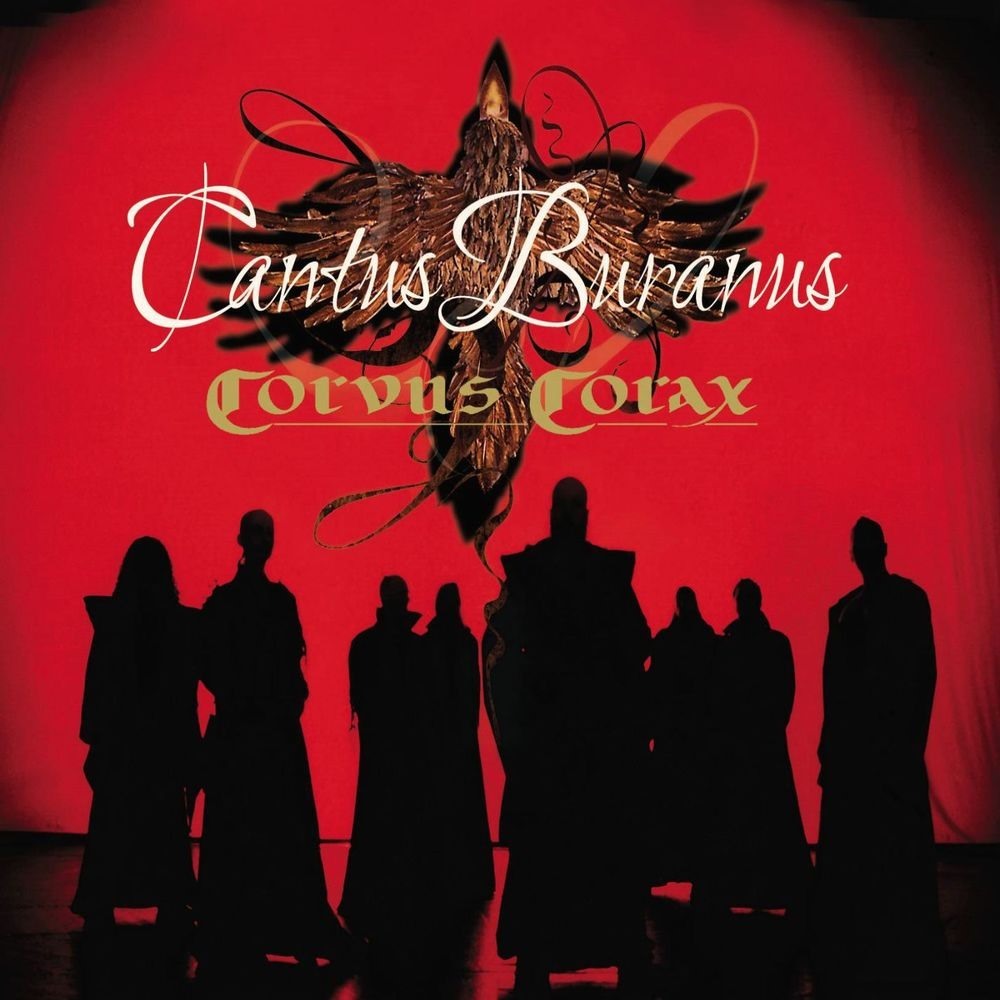
 View Artist