Song Meaning
The lyrics paint a stark picture of a speaker held captive, lamenting their situation with a mix of pride and sorrow. The opening lines establish a desire for reasoned discourse, yet acknowledge a doleful reality, finding solace only in song. This immediate contrast between intellectual aspiration and emotional distress sets a somber tone, suggesting a mind trapped as much as a body.
The core tension lies in the speaker's unwavering loyalty versus their current predicament. They assert that their companions, friends, and even lords – a diverse group spanning "Ynglois, Normant, Poitevin et Gascon" – know they would never abandon even their poorest comrade for freedom from imprisonment. This declaration is not a retraction but a statement of enduring principle, emphasizing that their capture is a present, unyielding fact, "Mais encor sui je pris."
The insertion of Latin phrases like "Obscuratus est sol" (the sun is darkened) and "Obscuratus est aer" (the air is darkened) powerfully amplifies the sense of despair and cosmic gloom surrounding the speaker's captivity. These stark, almost liturgical pronouncements suggest a spiritual or existential darkness that transcends the physical chains, framing the imprisonment as a profound, world-altering event.
Ultimately, the effectiveness of these lyrics stems from their directness and the stark juxtaposition of noble sentiment against harsh reality. The repeated refrain, "Mais encor sui je pris," hammers home the inescapable nature of their confinement, while the brief, potent Latin interjections elevate the personal plight to a universal cry against overwhelming darkness, leaving the listener with a profound sense of the speaker's enduring, yet shadowed, spirit.
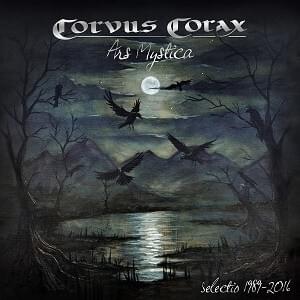
 View Artist