Song Meaning
The song opens with a scene of quiet domesticity, the narrator observing someone. There's a sense of intimacy, perhaps even a shared space, as the lyrics mention "Norwegian lukri" which seems to be a piece of furniture or decor. The initial tone is observational, almost detached, yet with an underlying current of something significant happening.
The central tension arises from a perceived betrayal or misunderstanding. The narrator states, "Me(h) alle(h) dwalle(h) deklar / Kay(h) ohte(h) korsee nee si," suggesting a declaration or realization that something is not as it should be, specifically concerning the "korsee" (chair). This is followed by a description of someone drinking and talking, implying a social gathering or a moment of distraction where the narrator feels overlooked or that their presence is secondary.
The most striking element is the shift in the narrator's reaction to the "bird." Initially, the bird is described as "dusia ke swernu karnte(h), jandi he(h)" (perhaps singing or chirping, flying away). The narrator's response is to "tah hassna shooru karditha" (start laughing), but this laughter seems to be a mask. The lyrics then reveal, "Me(h) ornu dusia, me(h) nee-jarna / Tha bathe betch solhm cha-leg-lar," indicating a feeling of being left behind or abandoned, despite the outward appearance of amusement.
This contrast between outward appearance and inner feeling is what makes the lyrics so poignant. The narrator's laughter, which could be interpreted as lightheartedness, is revealed to be a coping mechanism for a deeper sense of loss or displacement. The final lines, "Fer(h) me(h) aag jug ay see / He(h) nee eh huchee / Norwegian lukri," suggest a lasting impact, a feeling of being set ablaze or deeply affected by the experience, leaving behind only the "Norwegian lukri" as a silent witness to the event.
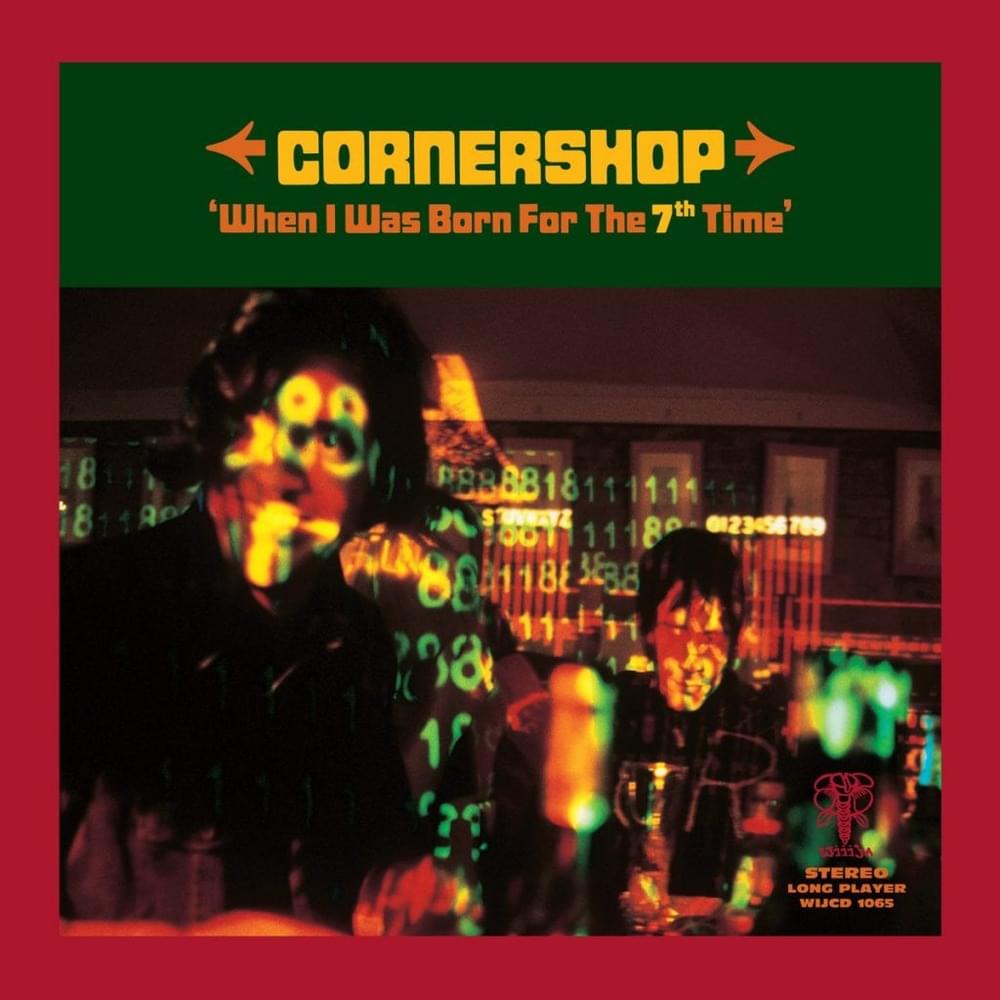
 View Artist