Song Meaning
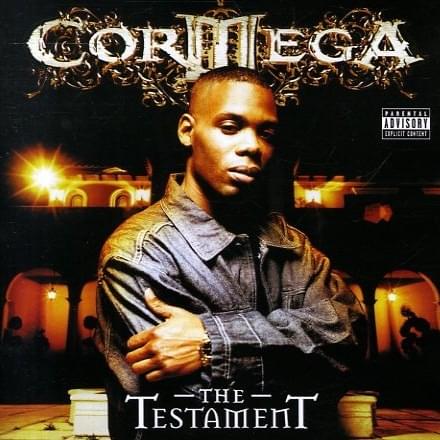
Cormega's "Interlude" functions as a concentrated dose of streetwise philosophy, distilled into a series of aphorisms rather than a narrative. It's less a song in the conventional sense and more a spoken-word meditation, a brief but potent injection of wisdom into the listener's consciousness. The very title, "Interlude," suggests a pause for reflection, a moment carved out from the surrounding noise to consider fundamental truths. The track, through a series of statements, builds a hierarchy of values and pitfalls.
At the core of Cormega's worldview is a tension between internal states and external realities. Love is positioned as the "greatest power," an almost defiant stance against the cynicism often found in his milieu. Conversely, "lack of faith" becomes the "greatest weakness," implying not necessarily religious belief, but a fundamental trust in oneself and the possibility of positive outcomes. This internal compass is crucial for navigating a world defined by constant flux; "change" is framed as the "greatest certainty," demanding adaptability and resilience.
The latter half of the interlude delves into the darker aspects of the human condition. Fear and ignorance are identified as "the greatest sickness" and "the greatest danger," respectively, highlighting the crippling effects of both. Pride, hate, and ego are collectively cast as "the greatest enemy," a trifecta of self-destructive forces. Ultimately, "Interlude" lands on a message of self-mastery. "The greatest victory," Cormega concludes, is "self control," suggesting that the path to navigating life's complexities lies not in external conquest but in the disciplined management of one's own internal landscape. The song's meaning is an appeal to inner strength.
 View Artist