Song Meaning
The lyrics paint a picture of time passing, marked by subtle shifts and unanswered questions. The narrator observes a "sea of days" and "fields of changes," with "questions scattered like stones." This imagery suggests a world where understanding is elusive, and clarity is reserved for those who don't seek it or speak about it, as indicated by the repeated lines, "No explanations - everything is kept for those who don't understand / No culprits - everything is kept for those who don't speak."
The core tension arises from the contrast between the natural, almost instinctual reconciliation of infants and the narrator's own inability to find peace. The lyrics describe "a sea of tears flowing / from a thousand babies / who smile in the end / want their mother's body / reconcile in a moment." This powerful image of babies finding solace and moving past distress highlights a profound disconnect: "So why aren't we?"
The most striking craft element is the direct address to the infant, juxtaposing its simple needs with the complex sorrows of its mother. The lines "A crying baby to a tired mother / Baby, smile at a sad mother" create a poignant plea, suggesting that even the smallest beings can offer comfort. This is further amplified by the shift to a more abstract, yet still grounded, depiction of conflict resolution: "A hand pressing a hand / A hand saying 'Enough!' / A hand and the battle ends." The imagery of a flag changing place and "green territory, peace" offers a hopeful, albeit brief, resolution.
Ultimately, the effectiveness of these lyrics lies in their ability to evoke a deep sense of longing for simple resolution. By framing adult struggles against the backdrop of an infant's immediate capacity for peace and reconciliation, the narrator articulates a universal yearning for an end to confusion and conflict. The repeated refrain about explanations and speaking underscores a feeling of being stuck, unable to reach the same state of grace as the babies described.
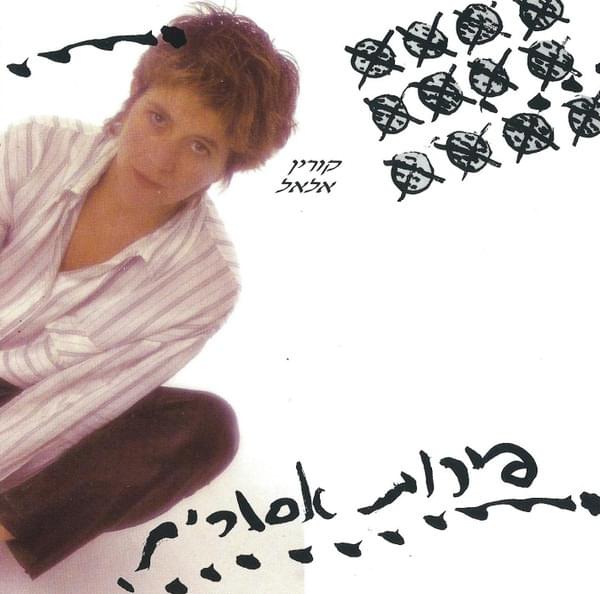
 View Artist