Song Meaning
The lyrics paint a stark picture of self-annihilation disguised as progress. The opening lines immediately establish a grim truth: seeking external validation requires sacrificing one's own identity. This isn't a subtle shift; it's framed as a "murder of self," a violent act of erasure. The song then escalates this into a broader societal or existential decay.
The core tension lies in the paradox of "progress" leading to destruction. The chorus hammers this home with phrases like "the end of all progress" and "the death of evolution," suggesting a deliberate choice to stagnate and decay. This isn't an accident; it's presented as an "art of ruin," a mastery of destructive forces. The lyrics imply a conscious embrace of this downfall, a perverse achievement.
The imagery of "streams of solace" that are "few and narrow" is particularly striking. These meager comforts are twisted into "sounds of torture," suggesting that even moments of relief are tainted by the underlying self-destruction. The idea that these "torture sounds" will "flood the banks" implies an inevitable, overwhelming consequence of this pursuit of ruin. It’s a powerful, unsettling metaphor for how even perceived peace can become a source of suffering.
Ultimately, the song's effectiveness comes from its unflinching portrayal of this destructive cycle. The repetition of "This is the art of ruin" in the outro, coupled with the list of mastered negative emotions – "Fear, pain, hatred, power" – solidifies the idea that this is a chosen path. The lyrics don't just describe ruin; they present it as a deliberate, cultivated skill, making the descent feel both inevitable and tragically intentional.
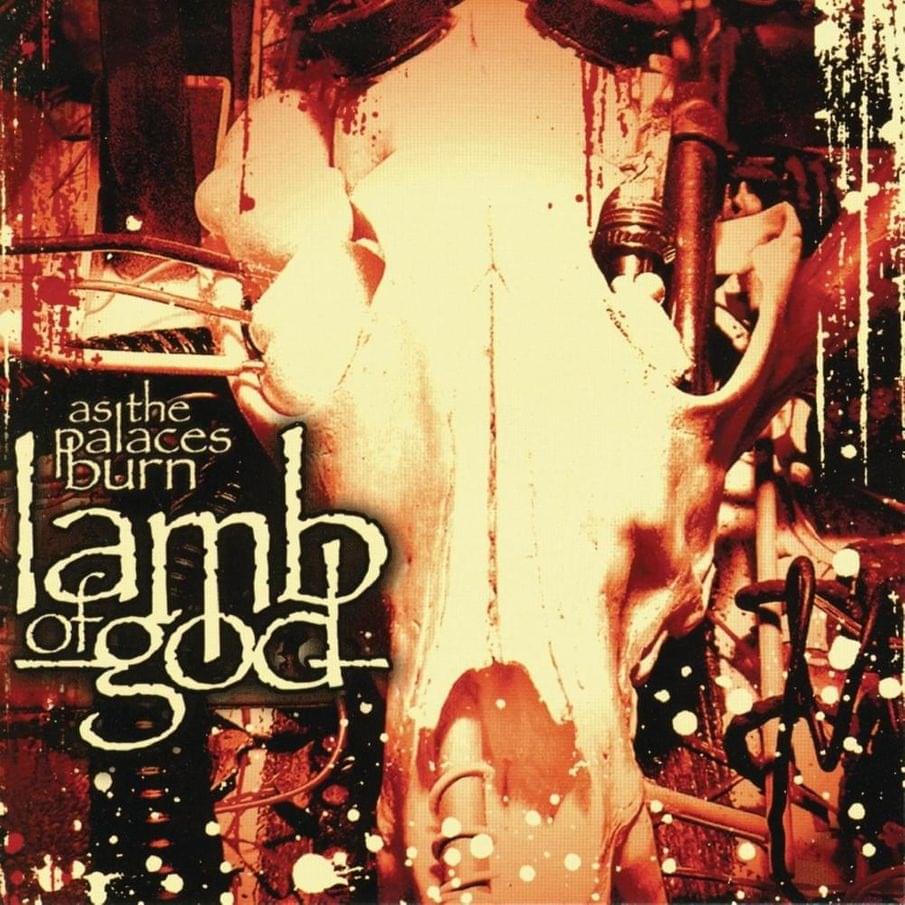
 View Artist