Song Meaning
The lyrics paint a grim picture of a world where devotion to man-made deities demands immense sacrifice, even death. The opening lines immediately establish a sense of suffering tied to the very concept of these "Gods that we've made." This isn't about divine intervention, but rather the human-created structures of belief that lead to destruction, with "bodies they pile for kingdom awaits" and "a slaughter we pray."
The core tension lies in the forced subservience and willful blindness demanded by these beliefs. The narrator states, "Born on your knees or you're swept to the flames," presenting a stark choice between abject submission and annihilation. This is amplified by the chilling image of self-mutilation: "Cut out our eyes, leaving only the taste." This suggests a deliberate rejection of sight, perhaps to avoid witnessing the horrors, or to embrace a faith that relies on sensory deprivation and blind acceptance, making people "easy to break."
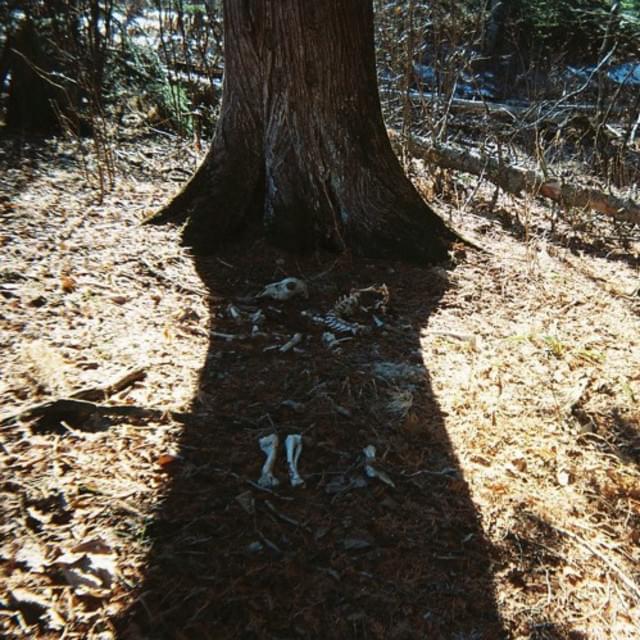
The third verse introduces a profound sense of existential dread and the hollowness of this devotion. The "comforting corpses" are consumed by a doctrine of "entitled existence," a belief that they somehow deserve this fate or the rewards promised. Yet, the ultimate outcome is bleak: "We'll rot and we'll wither, stripped down to our bones." The repeated phrase "We're forever alone" lands with crushing finality, revealing the emptiness of the promised kingdoms and the isolation inherent in this destructive faith.
This writing is effective because it uses stark, visceral imagery to convey a powerful critique of blind faith and the destructive potential of human-created dogma. The repetition of key phrases like "Gods that we've made" and "easy to break" hammers home the cyclical nature of this suffering and the vulnerability it engenders. The final, stark declaration of "forever alone" serves as a devastating counterpoint to the promised "kingdom" and "slaughter we pray" for.
 View Artist