Song Meaning
The lyrics paint a stark picture of a relationship's end, framed by a signature on a document. The narrator is leaving, emphasizing their impending solitude and the partner's newfound freedom. The immediate emotional tone is one of resigned finality, tinged with a desperate plea for the partner to reconsider, even as the narrator packs their bags. The scene is set with the physical act of signing, a concrete marker of the relationship's dissolution and the narrator's departure on a train.
The central tension lies in the narrator's conditional departure, a last-ditch effort to gauge the partner's true feelings and commitment. They present a series of questions, not about their own needs, but about the partner's capacity to care for their son, Johnny. This shifts the focus from romantic love to parental responsibility, suggesting that the partner's ability to nurture their child is the ultimate test of whether the relationship's demise is truly deserved or if there's still a chance for reconciliation. The narrator seems to be asking, "Can you be a good parent without me?" as a proxy for, "Can you be a good partner without me?"
The most striking craft element is the repeated, almost ritualistic questioning directed at the partner, particularly concerning Johnny. Phrases like "Can you take good care of Johnny" and "Can you teach him how to catch a fish" are not just about the child's well-being but serve as a veiled accusation or a final test of the partner's character and readiness for independence. The narrator is essentially outsourcing their own emotional labor and doubt onto the partner's perceived capabilities, using the child as a pawn in a high-stakes emotional negotiation. The contrast between the partner's freedom and the narrator's impending loneliness is palpable throughout.
These lyrics hit hard because they articulate the painful, often unspoken, anxieties that accompany a breakup, especially when children are involved. The narrator’s focus on Johnny’s future, rather than their own hurt, creates a complex emotional landscape. It suggests a deep-seated fear that the partner is incapable of handling life alone, and by extension, that the narrator's departure might be a catastrophic mistake for everyone. The finality of the signing and the train departure, juxtaposed with these lingering questions, leaves the listener with a profound sense of unresolved sorrow and the heavy weight of parental duty.
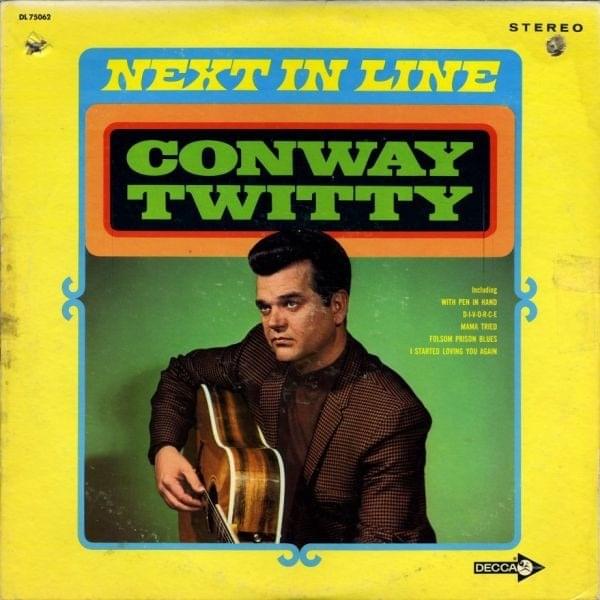
 View Artist