Song Meaning
The narrator is grappling with the painful end of a relationship, acknowledging their own departure as a necessary but deeply unwelcome event. The opening lines paint a stark picture of rejection: a photograph removed, belongings discarded, signaling a definitive break. This physical eviction mirrors the emotional one, forcing a confrontation with the undeniable reality that their partner is moving on and they are becoming a memory, a 'used to be.' The central refrain, 'I sure hate to see me go,' captures this self-directed sorrow, a profound dislike for the person they are becoming in the wake of this separation.
The core tension lies in the narrator's internal conflict between the desire to hold onto a past that's clearly over and the painful necessity of accepting that loss. They recognize that 'what we had goin's gone away to stay,' and that remaining in their familiar town will now be defined by 'loneliness than love.' This isn't just about losing a partner; it's about losing a version of themselves tied to that relationship, a self that now seems destined to fade.
The most striking aspect of the lyrics is the repeated, almost resigned self-condemnation in 'I sure hate to see me go.' It’s a unique perspective, framing the breakup not just as abandonment by another, but as a personal failure or a deeply regrettable transformation. The imagery of 'shattered dreams of a perfect love just yesterday' contrasts sharply with the present reality, highlighting the swiftness of the relationship's demise. The narrator understands they can't revive a 'fire that lost its final glow,' yet the act of leaving, of 'walking away,' is presented as a source of profound personal regret.
This self-loathing, coupled with the acknowledgment of inevitability, creates a potent emotional resonance. The lyrics effectively convey the bitter pill of having to initiate or accept one's own exit from a relationship that once held promise. The narrator's dislike for their departing self underscores the depth of the loss, making the act of moving on feel like a personal tragedy, a final, unwelcome act of self-erasure.
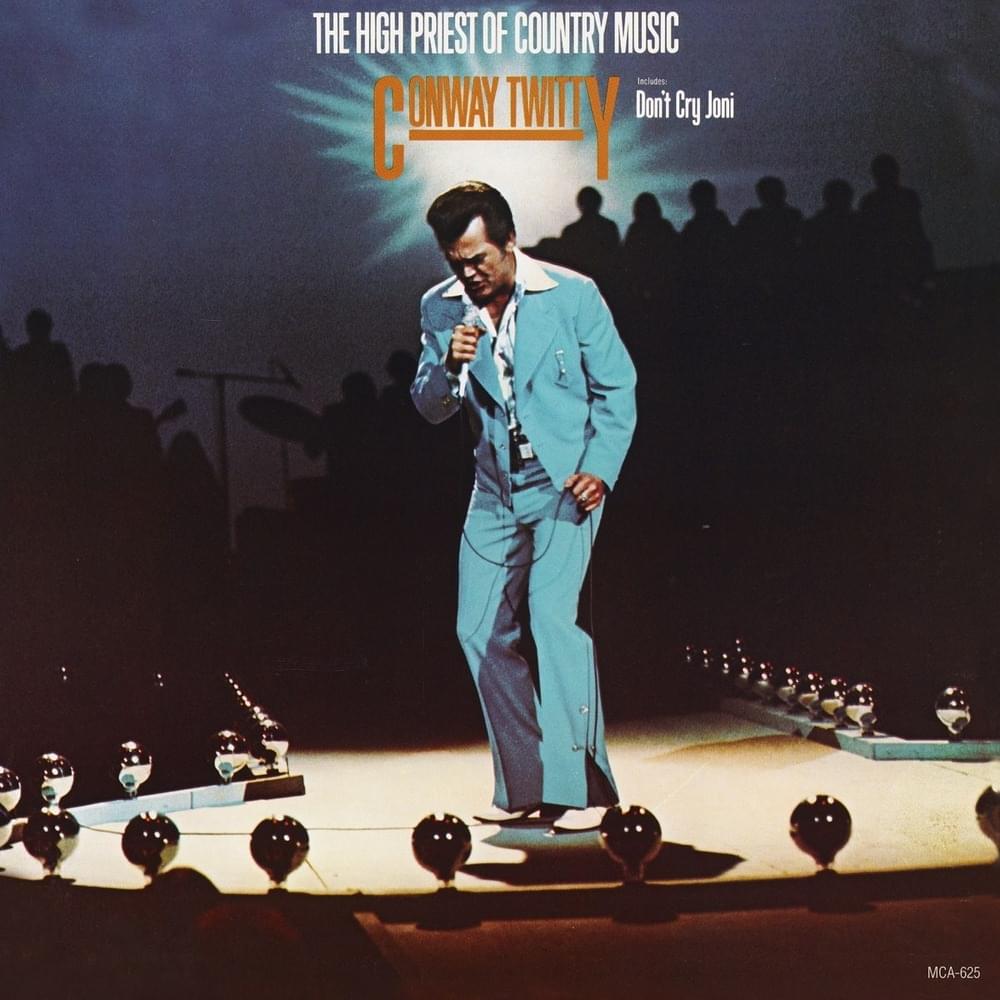
 View Artist