Song Meaning
The narrator finds themselves adrift on a "foggy river," a potent metaphor for a love that has turned cold and isolating. This isn't a gentle drift; it's a state of being "stranded," "helpless," and "alone," with the river's chill mirroring the emotional frigidity of a departed lover. The "heart of stone" suggests a fundamental lack of warmth or responsiveness from the object of affection, setting the stage for the narrator's bleak outlook.
The central tension lies in the narrator's forced acceptance of this desolate state. They acknowledge a premonition of being "turned down," yet the present reality of sailing this "foggy river" feels like a predestined fate. The phrase "doomed to sail" emphasizes a lack of agency, suggesting that leaving this painful love behind is not a choice but an inevitable, arduous process. The river becomes a symbol of inescapable sorrow, a place where "no tomorrow" exists, only the lingering weight of what was lost.
The repeated imagery of the "foggy river" is the song's most striking craft element. It's not just a setting but an active force, a "mist of sorrows" that obscures the future and drowns hope. This pervasive fog, combined with the chilling comparison of love to the river's coldness, creates a suffocating atmosphere. The "distant shore" offers a faint glimmer of an end, but the plea "Heaven help me" underscores the immense difficulty of reaching it, trapped as they are by a "broken heart."
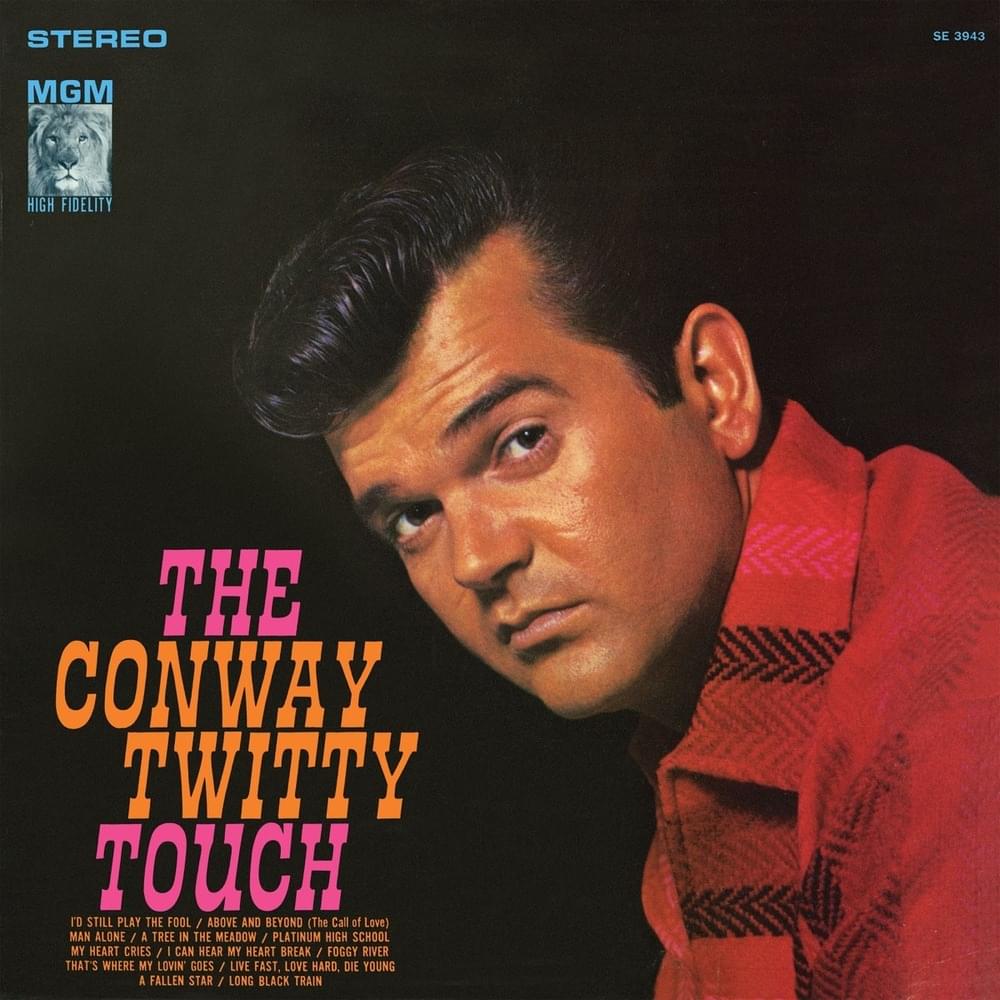
 View Artist