Song Meaning
This track lays bare a profound sense of fatalism. The narrator’s worldview is bleak, casting their entire existence as a predetermined failure. Every aspiration is framed not as a potential success, but as a direct conduit to suffering. The opening lines immediately establish a tone of utter resignation, suggesting a life already lived in vain before the present moment.
The central conflict hinges on the narrator’s inescapable belief in their own inherent unluckiness, now culminating in the loss of a significant relationship. This isn't just a bad day; it's the confirmation of a lifelong pattern. The repeated phrase "Born to lose" acts as a self-fulfilling prophecy, coloring every past disappointment and present heartbreak with an air of inevitability. The narrator’s persistent "blue" mood is presented as a constant state, not a temporary feeling.
The most striking aspect is how the lyrics connect personal misfortune to external validation, or lack thereof. The line "And when I've waited / And I found that you're not there" powerfully illustrates this. The narrator’s hope, fragile as it is, is contingent on another person's presence, and their absence confirms the narrator’s deepest fears about their own worthlessness. The finality of "you say we're through" solidifies this, marking the ultimate loss as the latest, and perhaps final, proof of their doomed nature.
Ultimately, the song’s effectiveness lies in its raw, unvarnished expression of despair. It taps into a primal fear of inherent inadequacy, presenting a narrative where external circumstances are merely reflections of an internal, unchangeable flaw. The simple, direct language amplifies the emotional weight, making the narrator's resignation feel both deeply personal and chillingly absolute.
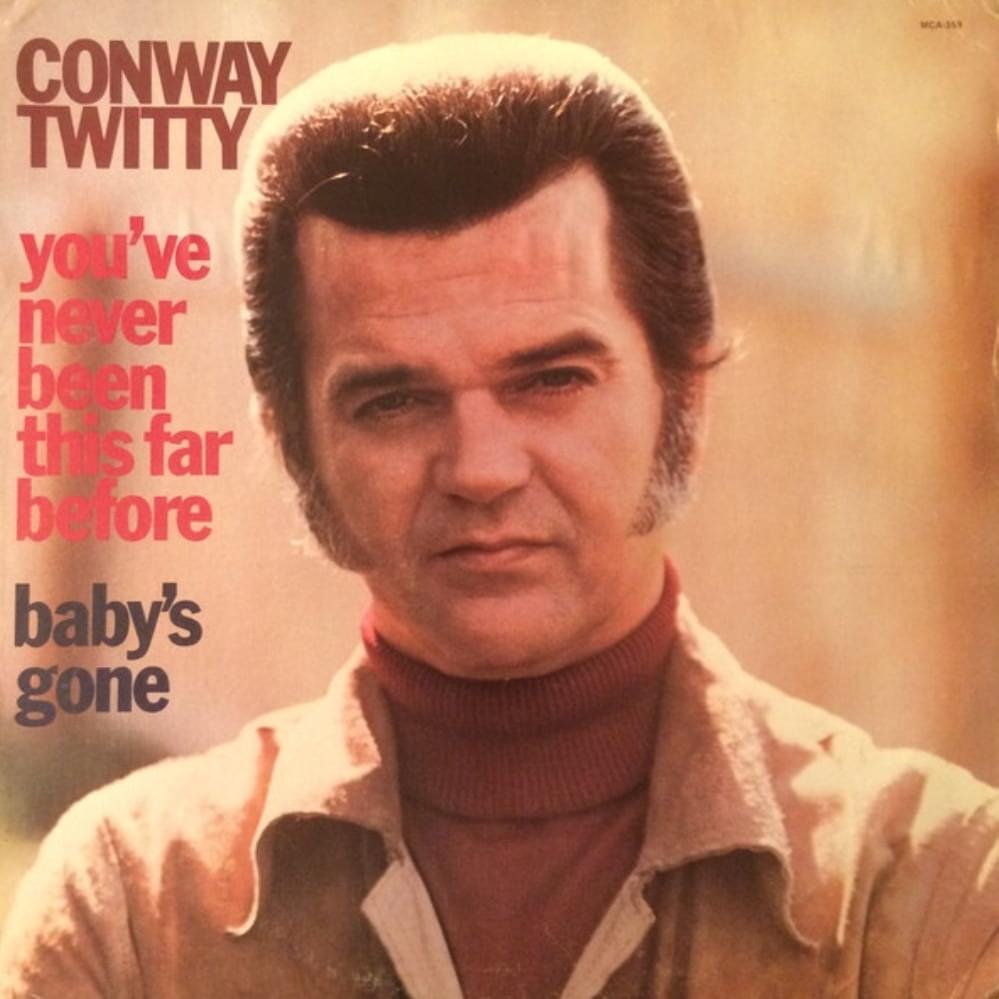
 View Artist