Song Meaning
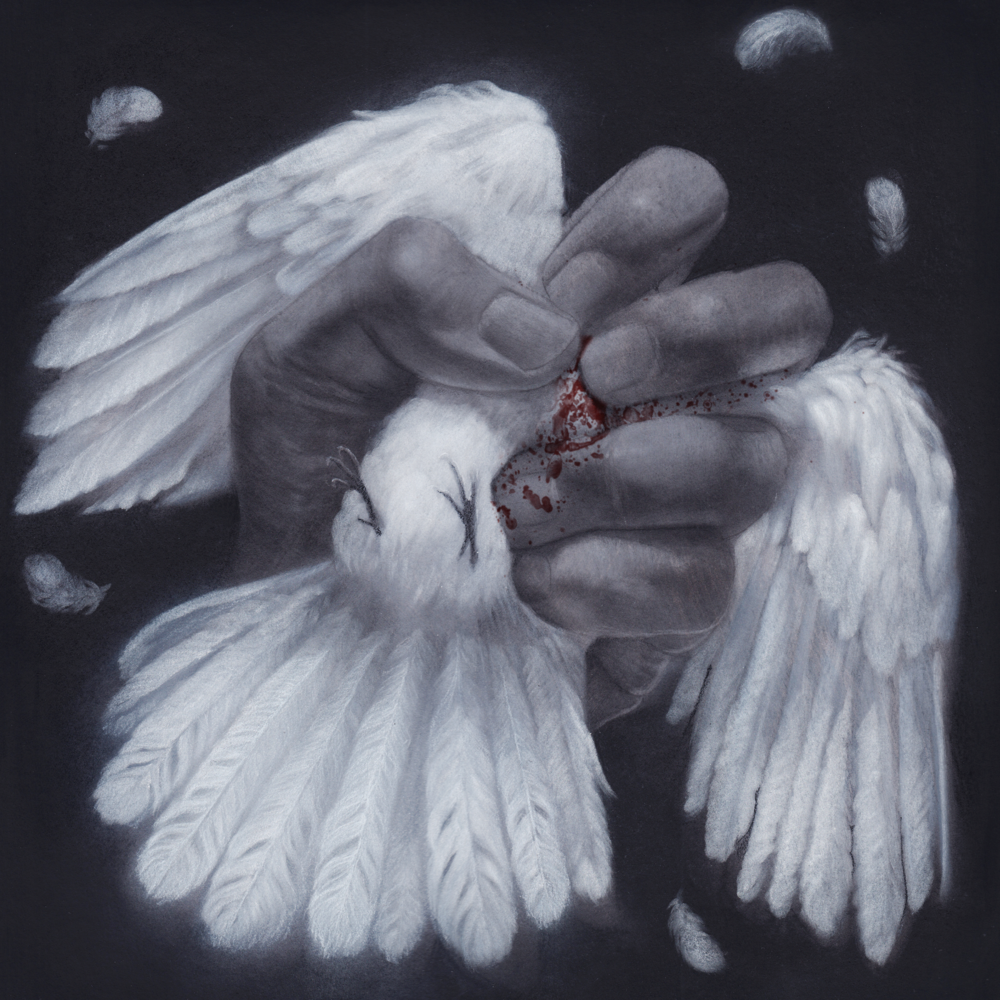
The speaker here is utterly spent, "up for days cutting losses" and making profound sacrifices, even "trading in the most precious of wings." There's an immediate sense of relentless effort and a past that offers no peace, as "the nights never end, and these ghosts will never know true rest." It's a portrait of exhaustion, a soul grappling with the lingering weight of its history.
Central to these lyrics is a stark, almost brutal irony: "Sometimes when you win the war you lose it all." This line suggests a Pyrrhic victory, where the cost of success outweighs any perceived gain. The struggle isn't just physical; it's existential, hinting that the very act of fighting, or achieving, can strip away what's most valuable, leaving behind only the "ghosts" of what was.
The repeated phrase, "They stretch for miles, they take me home," anchors the entire piece. The ambiguity of "they" is incredibly effective; it could be memories, consequences, burdens, or even the path taken. Whatever "they" are, they are vast, "towering," and possess a mythic quality, "speaking as eloquently as the tallest of tales." This repetition emphasizes an inescapable force that, paradoxically, defines the speaker's sense of belonging or destination.
These lyrics hit hard because they articulate a universal dread: the feeling of being defined by an overwhelming past or an endless struggle. The craft, particularly the vast imagery and the poignant irony, makes the listener feel the immense weight of these "miles" and the bittersweet nature of a "home" that is less a sanctuary and more a culmination of every sacrifice. It's a powerful statement on the enduring impact of our choices and the paths we walk.
 View Artist