Song Meaning
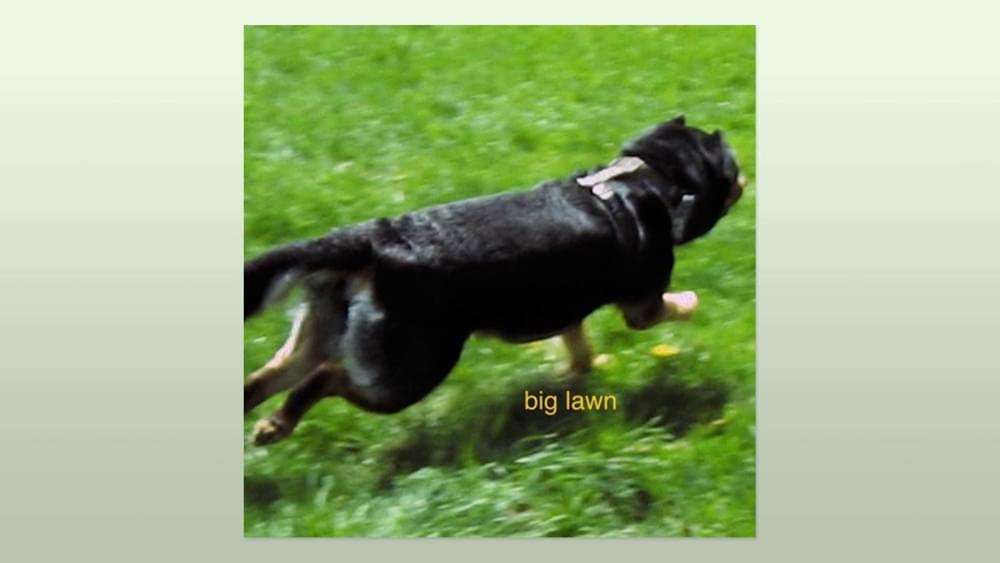
The lyrics paint a picture of a hazy, nostalgic summer afternoon, centered around the image of a "big lawn." It evokes a feeling of simple, unburdened youth, where time stretches out and the sky is a perfect blue. The scene is idyllic, almost dreamlike, with the sun filtering through leaves onto the ground, creating a soft, dappled light.
The core tension lies in the fleeting nature of this perfect moment and the narrator's awareness of its impermanence. The line "You'll never again be this new" is a poignant acknowledgment of lost innocence and the irreversible passage of time. This realization is juxtaposed with the act of "jumping off the swing set," a childhood freedom that is both exhilarating and a marker of change.
The craft here is subtle, relying on sensory details and a gentle, almost melancholic tone. The repetition of "And you can see it now / Staring at the clouds" acts as a refrain, pulling the listener back to the present moment of reflection, contrasting with the vivid memories. The phrase "Gravity's gone for a few" is a beautiful, childlike metaphor for that feeling of weightlessness and boundless possibility experienced in youth.
Ultimately, the effectiveness of these lyrics stems from their ability to capture a universal feeling of looking back at a cherished, irretrievable past. The writing doesn't force emotion but allows it to surface naturally through the evocative imagery and the quiet, understated recognition of time's relentless march.
 View Artist